



News
Natural Stone vs Artificial Stone in Cemetery Monuments
Natural Stone vs Artificial Stone in Cemetery Monuments
When selecting materials for cemetery monuments, the choice between natural and artificial stone plays a significant role in the monument’s durability, appearance, and overall cost. Both types of stone offer unique advantages and challenges, and understanding these differences can help in making an informed decision.
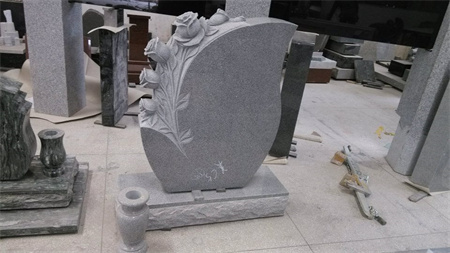
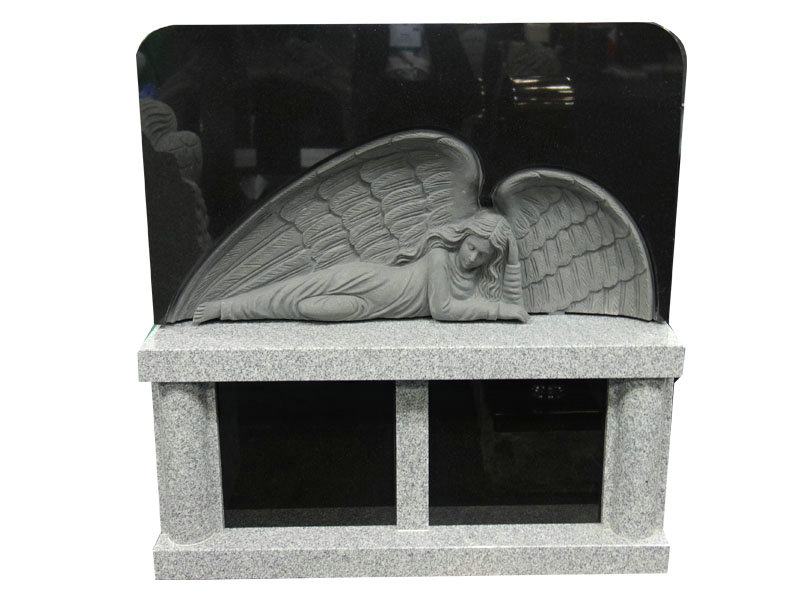
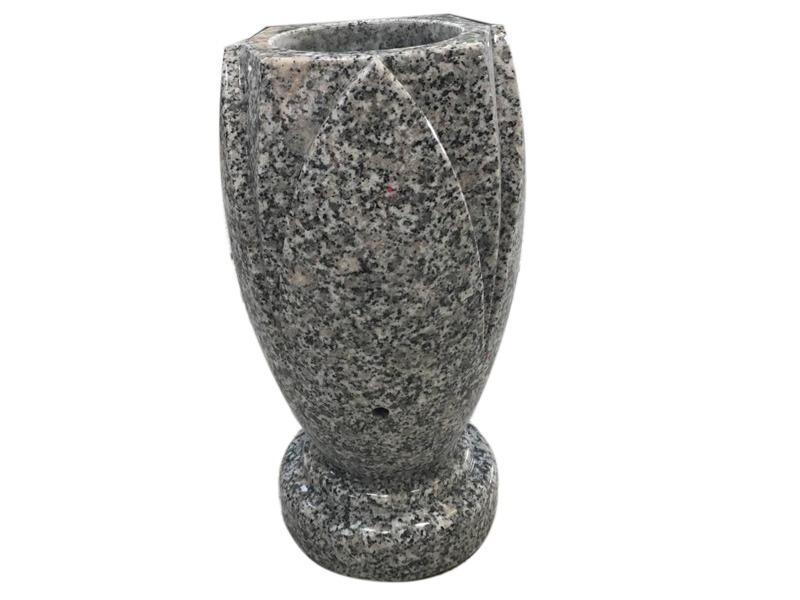
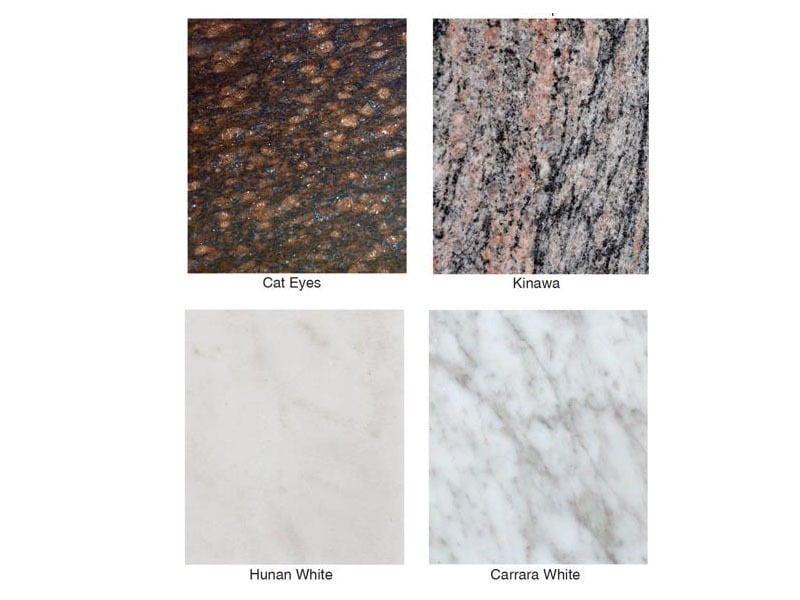
Natural stone, such as granite, marble, or limestone, has been a traditional choice for cemetery monuments for centuries. Its timeless appeal lies in its natural beauty and ability to withstand the elements over long periods. Granite, in particular, is known for its strength, resistance to weathering, and its availability in various colors and textures. Many families prefer natural stone because of its connection to the earth and the sense of permanence it provides. A monument made from natural stone often carries an aura of respect and reverence, symbolizing the lasting memory of the loved one.
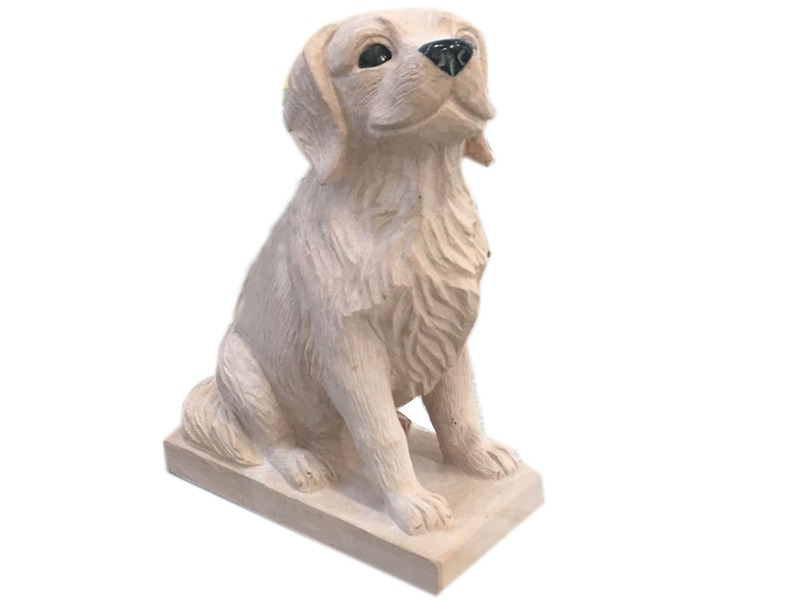
On the other hand, artificial stone, which is manufactured through a blend of various materials such as cement, resin, and sometimes crushed stone, is a more modern option. It is often less expensive than natural stone, which makes it a more accessible choice for families on a budget. Artificial stone can also be molded into more intricate shapes and designs compared to its natural counterpart, offering more flexibility in the creation of custom monuments. This makes it an appealing option for those looking for unique, personalized designs.
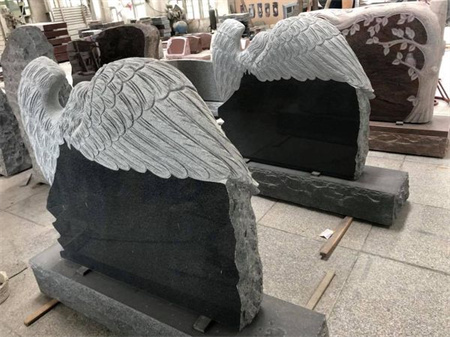
However, artificial stone does have limitations. It may not have the same long-lasting durability as natural stone, and over time, it could be more susceptible to cracking, discoloration, or fading. The stone may also have a less authentic appearance, lacking the unique texture and feel of natural materials. While technological advances have improved the quality of artificial stone, it still doesn’t match the natural beauty and strength of granite or marble in the long term.
Natural stone monuments tend to age gracefully, often becoming more beautiful as time passes. They develop a patina that adds to their charm and character, something that artificial stone typically cannot replicate. This aging process is viewed as part of the memorial’s journey, creating a deeper emotional connection for those who visit.

In conclusion, the choice between natural and artificial stone comes down to personal preferences and practical considerations. Natural stone monuments, while more expensive, offer durability, timeless beauty, and a sense of permanence. Artificial stone, though more affordable, provides more design options and can still be a meaningful tribute, though it may not have the same lasting presence as its natural counterpart.
 Chaole industrial district ,Chongwu town,Huian,Fujian,362131,China


If you want to know more about our products designs
and get the best quotation, please don't hesitate to send a subscription
email,thank you!
Copyright © Huian Boda Stone Co.,Ltd All rights reserved.

ipv6 network supported


