



News
Top 10 Mistakes to Avoid When Sourcing Monuments from Chinese Factories
Sourcing memorial granite from Chinese factories can deliver competitive pricing and a wide range of customization options, but buyers must navigate common pitfalls to protect margins and reputation. Overseas importers, wholesalers, distributors, and funeral supply companies should understand manufacturing realities, materials, quality control, and international shipping requirements before placing orders for tombstones and monuments.
Mistake 1: Failing to verify factory credentials. Do not rely solely on a website. Confirm business licenses, export experience, and past shipments of memorial stone. Request factory photos, production line videos, and third‑party audit reports to ensure the manufacturer has capabilities for granite monuments and headstones.
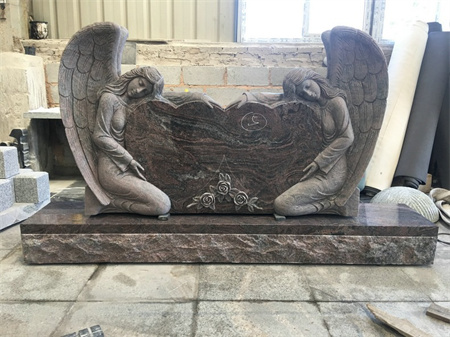
Mistake 2: Overlooking material specifics. Granite types vary widely in density, porosity, and color consistency. Ask for rock origin, granite grade, and technical reports. Low-quality stone can lead to staining, cracking, and poor frost resistance—issues that affect the longevity of outdoor memorials.
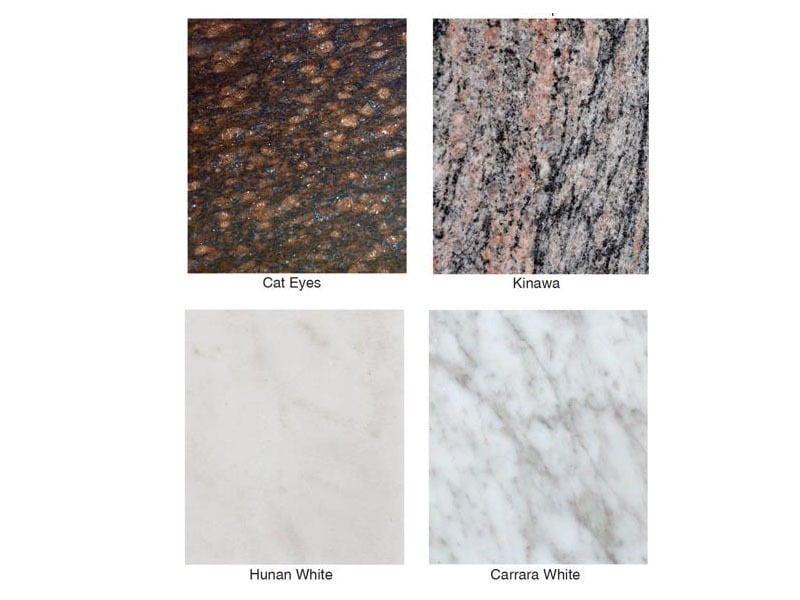
Mistake 3: Ignoring natural variation. Buyers often expect uniform color across lots; natural stone will show veining and shade differences. Specify acceptance tolerance and whether you require batch matching for a project. Clarify how the factory will select and mark slabs for consistency.
Mistake 4: Providing vague customization instructions. Detailed CAD files, clear specifications for CNC carving, sandblasting depth, laser etching, font sizes, and measurements for anchor holes and dowel positions are essential. Ambiguous designs increase rework and tooling costs.
Mistake 5: Skipping samples and prototypes. Approving a small sample or prototype verifies finish, inscription quality, and polishing standards. A photograph is not a substitute for an approved physical sample that demonstrates the exact polish, chamfer, and engraving depth expected on the final monument.
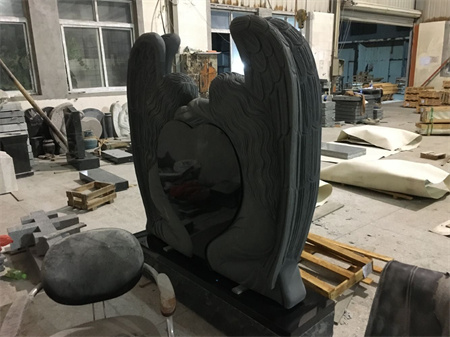
Mistake 6: Neglecting quality control procedures. Implement pre‑production checks, in‑process inspections, and pre‑shipment inspection by an independent inspector. Inspect for structural integrity, correct hardware like stainless steel pins and epoxy, and proper surface treatments such as sealing.
Mistake 7: Underestimating lead times and capacity constraints. Seasonal demand, stone sourcing, and CNC scheduling affect turnaround. Confirm factory capacity, realistic lead times, and penalties or remedies for late delivery in your contract to align supply with sales forecasts.
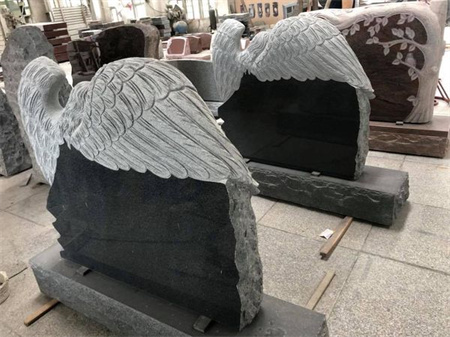
Mistake 8: Inadequate packaging for international shipping. Poor packing can ruin polished surfaces and fragile carved elements. Require export‑grade wooden crates, sufficient padding, edge protection, and ISPM15 compliance for wooden packaging. Verify that packing protects monuments during handling and ocean transit.
Mistake 9: Overlooking documentation and customs compliance. Ensure correct HS codes, commercial invoices, packing lists, certificates of origin, and any required material or export permits accompany shipments. Incomplete paperwork delays customs clearance and increases demurrage costs.
Mistake 10: Failing to plan for after‑sales support. Establish clear warranty terms, spare parts supply for bases and mounting hardware, and procedures for handling damage claims. Define responsibility for return shipping, repair options, and credit policies in advance.
Careful due diligence across manufacturing, material selection, customization detail, quality control, and shipping documentation reduces risk when importing memorial monuments from Chinese factories. Applying these practices helps importers and distributors secure consistent product quality and smoother international logistics.
 Chaole industrial district ,Chongwu town,Huian,Fujian,362131,China


If you want to know more about our products designs
and get the best quotation, please don't hesitate to send a subscription
email,thank you!
Copyright © Huian Boda Stone Co.,Ltd All rights reserved.

ipv6 network supported


