



News
CAD Drawings for Monument Orders
Accurate CAD drawings play a central role in modern granite monument and tombstone manufacturing by translating client specifications into production-ready instructions. For monument importers and tombstone suppliers, providing clear CAD files at the order stage minimizes ambiguity about dimensions, surface finishes, inscription placement, and mounting details. Preferred file formats typically include DWG, DXF and STEP; fully annotated 2D elevations and 3D models that indicate true scale, tolerance values, hole locations for anchors or dowels, and material thickness accelerate approval and reduce rework during stone fabrication.
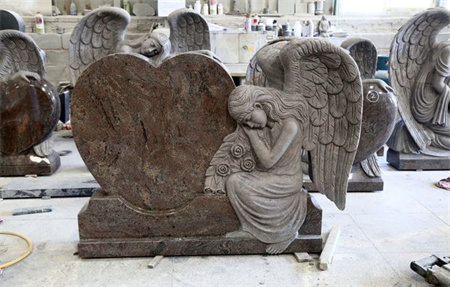
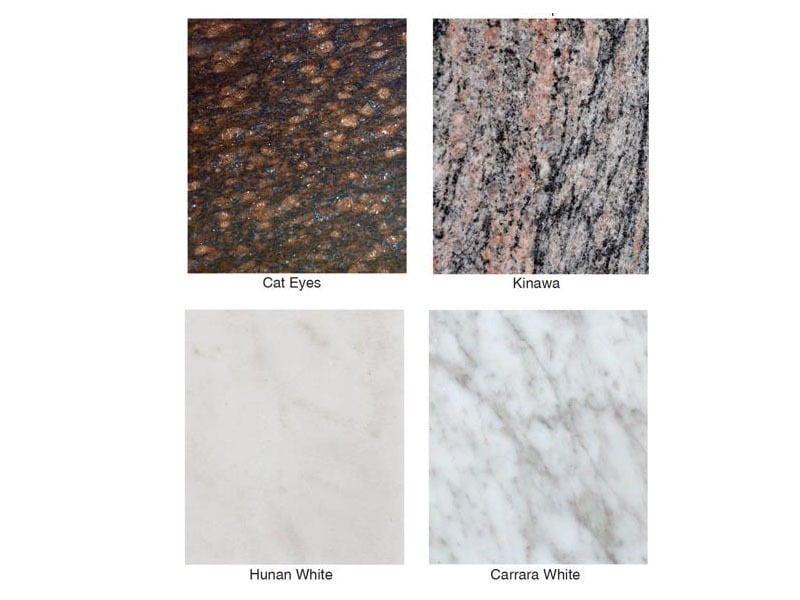
Material selection remains a primary consideration. Granite varieties differ in density, grain, porosity and color stability under weathering, so suppliers commonly list available slabs and batch numbers to allow consistent matching across multiple units. For burial memorials and outdoor monuments, engineers assess frost resistance and compressive strength to ensure long-term performance. Exporters often offer pre-cut slab samples or polished chips for verification before committing to full production runs, supporting wholesalers and distributors in quality comparisons and final selections.
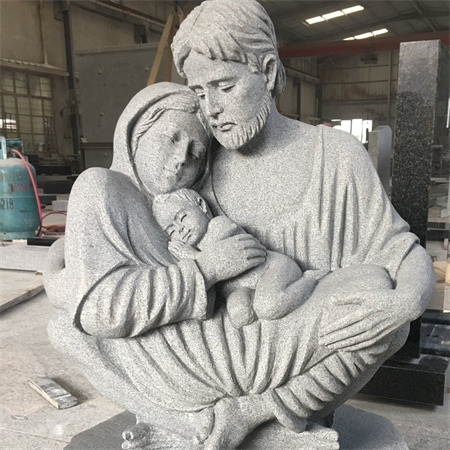
Once CAD data and material are confirmed, manufacturing progresses through CNC cutting, routing and profiling guided by the digital files. Automated stone cutting and multi-axis CNC machining provide repeatable dimensional accuracy for complex shapes and insets. Following primary cutting, skilled stone finishers perform polishing, honing and hand detailing where required. Surface treatments such as sandblasting for lettering, laser etching for photographic reproductions and surface sealants for additional protection are applied according to the approved CAD annotations. Customization options—ranging from beveled edges, bas-relief carving, bronze plaques to applied granite veneers—are integrated into production sequences to meet distributor or funeral supply company requirements.
Quality control protocols are essential at several stages. Incoming slab inspection verifies batch consistency and identifies natural fissures or inclusions that could affect structural integrity. In-process checks confirm adherence to CAD tolerances using measuring tools and gauges appropriate for stone fabrication; visual inspection ensures finish quality and uniformity of polish. Prior to shipment, each unit undergoes a final inspection for correct inscriptions, alignment of insets, and secure fixing of any metal attachments. Photographic records and dimensional reports can be supplied to overseas partners to document compliance with agreed specifications.
International shipping of completed monuments requires careful packaging and export documentation. Heavy, fragile stone products are typically crated in reinforced wood boxes or on custom pallets with vibration-dampening materials and secure strapping to prevent movement. Crates may need ISPM-15 compliant fumigation for wood packaging, and labels should clearly indicate weight, center of gravity and handling instructions. Exporters prepare commercial invoices, packing lists, certificates of origin, and any required third-party inspection certificates to facilitate customs clearance. Incoterms should be agreed upon in advance to define responsibility for freight, insurance and clearance. Transit insurance is commonly recommended given the value and fragility of granite monuments.
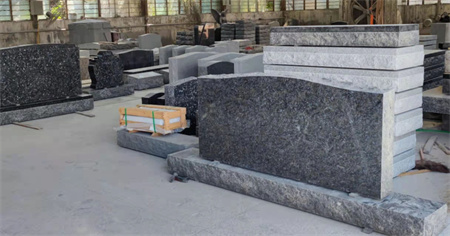
Clear technical communication, robust quality control, and attention to export packaging and documentation are key to successful partnerships between manufacturers and international monument importers, wholesalers and funeral supply companies. Informed use of CAD drawings, combined with proven stone fabrication and shipping practices, reduces lead times and supports predictable delivery of durable burial memorials and granite monuments.
 Chaole industrial district ,Chongwu town,Huian,Fujian,362131,China


If you want to know more about our products designs
and get the best quotation, please don't hesitate to send a subscription
email,thank you!
Copyright © Huian Boda Stone Co.,Ltd All rights reserved.

ipv6 network supported


