



News
Cremation Memorials The Growing Demand for Columbaria
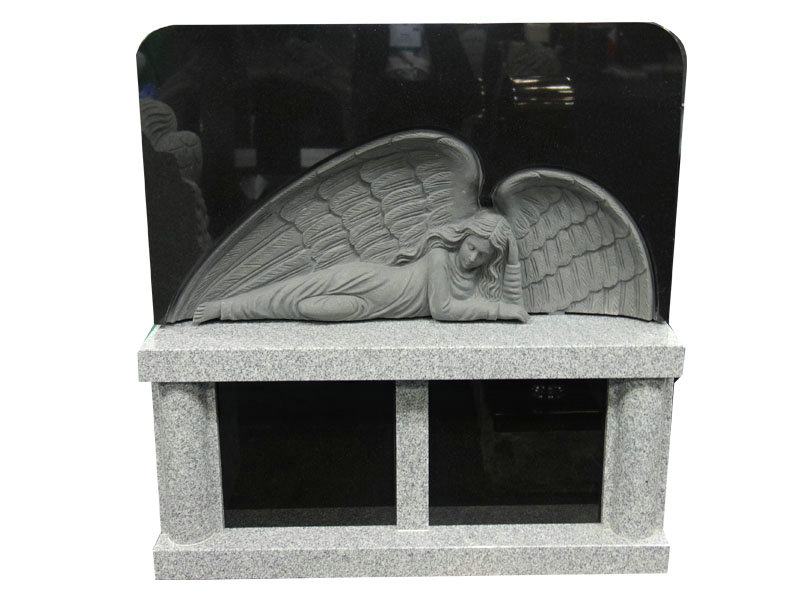
Rising cremation rates and constrained cemetery land have driven an increasing need for columbarium solutions among municipal authorities, cemeteries, and private memorial parks. For overseas importers, wholesalers, and funeral supply companies, understanding the manufacturing, materials, customization options, quality control measures, and international logistics behind columbaria and cremation memorials is essential to make informed procurement decisions and manage long-term client expectations.
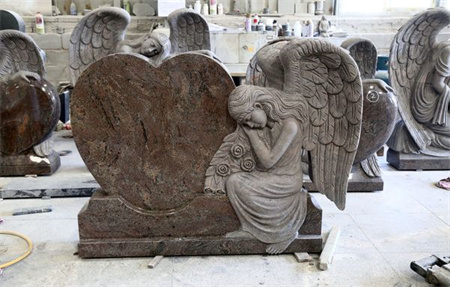
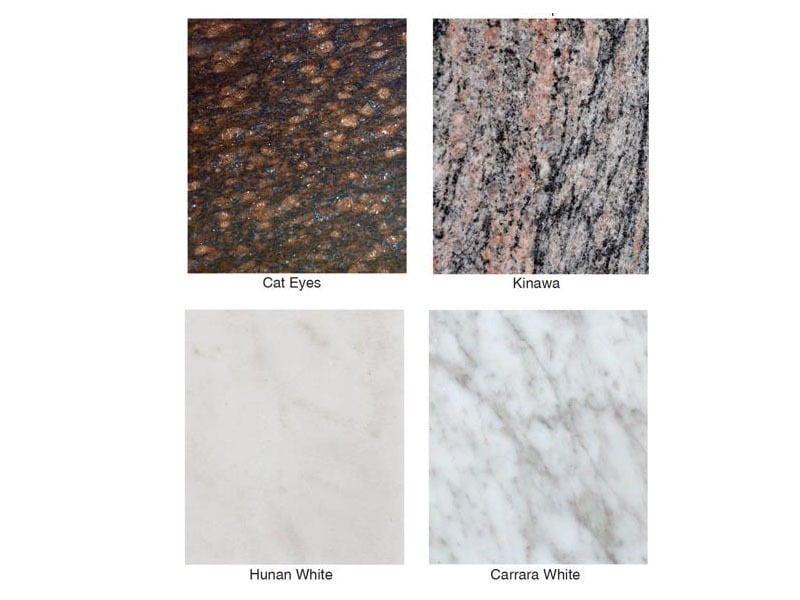
Granite remains the principal material for columbarium constructions due to its strength, weather resistance, and low maintenance profile. High-density granites with low water absorption rates are preferred for external installations, while a broader palette of granites and engineered stones may be used for interior or covered structures. Complementary components commonly supplied include bronze or stainless-steel memorial plaques, glass panels, sealants, and stainless hardware for niche closures and ventilation. Material selection should consider compressive strength, color consistency, surface finish, and expected exposure to UV, salt air, or freeze-thaw cycles.
Manufacturing typically begins with design approval and CAD drawings that define niche dimensions, modular block layout, anchoring details, and personalization areas. Modern production employs CNC cutting, waterjet profiling, laser etching, and sandblasting to achieve precise tolerances and consistent finishes across multiple units. Surface finishing processes—honing, polishing to specific grit levels, flamed finishes, and protective sealing—are applied according to the project specification. Metalwork for bronze plaques or stainless fittings is produced either in-house or through vetted subcontractors, with fabrication methods including casting, electroplating, laser engraving, and brushed or polished finishing.
Customization is a key differentiator for buyers supplying varied markets. Options include modular columbarium systems, single- or double-depth niches, integrated LED lighting, backlit glass panels, bespoke inscriptions, photographic ceramic inserts, and integrated QR code plaques linking to digital memorial pages. Flexible modular designs facilitate staged installation and future expansion, while standardized niche sizes aid inventory control for wholesalers and distributors.
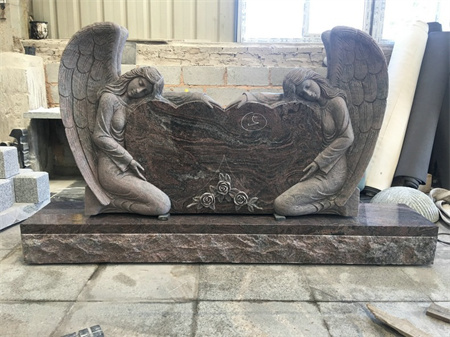
Robust quality control protocols protect brand reputation and reduce return rates. Incoming material inspection checks stone density, color variance, and visible defects. In-process controls monitor dimensional tolerances, join quality, and surface finish consistency, while final inspections verify plaque adhesion, hinge and lock operation, and protective coating coverage. Environmental testing—salt spray for metal components and UV exposure for coatings—can be requested for projects in aggressive climates. Working with manufacturers that maintain documented quality systems, such as ISO 9001, and that provide inspection reports or third-party certifications, supports B2B procurement risk management.
International shipping and logistics require careful planning due to weight, fragility, and regulatory requirements. Granite columbarium modules are typically crated in timber frames and boxed pallets; crates must comply with ISPM15 for phytosanitary treatment. Buyers should specify containerization strategies (FCL versus LCL), load distribution to prevent shifting, and foam or timber blocking to protect finished surfaces. Critical documentation includes commercial invoices, packing lists, certificates of origin, and any agreed testing or compliance certificates. Clear agreement on Incoterms, lead times, minimum order quantities, and spare parts supply simplifies customs clearance and on-site installation. Many manufacturers provide installation guides, anchor kits, and optional on-site supervision to ensure correct assembly and long-term structural integrity.
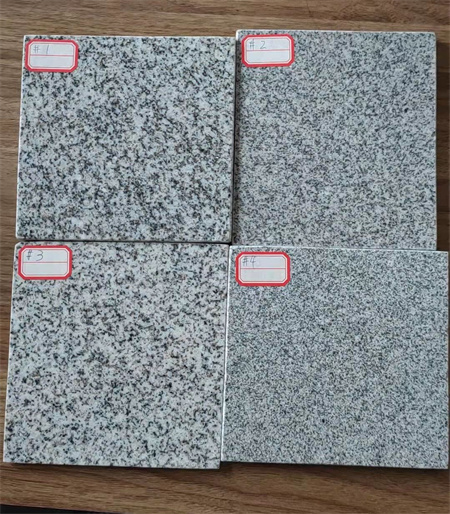
Careful consideration of material selection, precision manufacturing, documented quality control, and competent international logistics forms the basis for reliable supply of columbarium systems and cremation memorial products to overseas markets. Informed procurement decisions will balance customization needs, production capabilities, and logistical constraints to meet both regulatory requirements and end-customer expectations.
 Chaole industrial district ,Chongwu town,Huian,Fujian,362131,China


If you want to know more about our products designs
and get the best quotation, please don't hesitate to send a subscription
email,thank you!
Copyright © Huian Boda Stone Co.,Ltd All rights reserved.

ipv6 network supported


