



News
How Weather Affects Granite Monuments
For overseas importers, wholesalers, distributors, and funeral supply companies, understanding how environmental conditions interact with granite monuments is essential for specifying durable memorials and managing lifecycle expectations. Granite is broadly prized for its hardness and resistance to weathering, but mineral composition, porosity, and manufacturing choices influence long-term performance in climates ranging from coastal salt-laden air to inland freeze-thaw cycles.
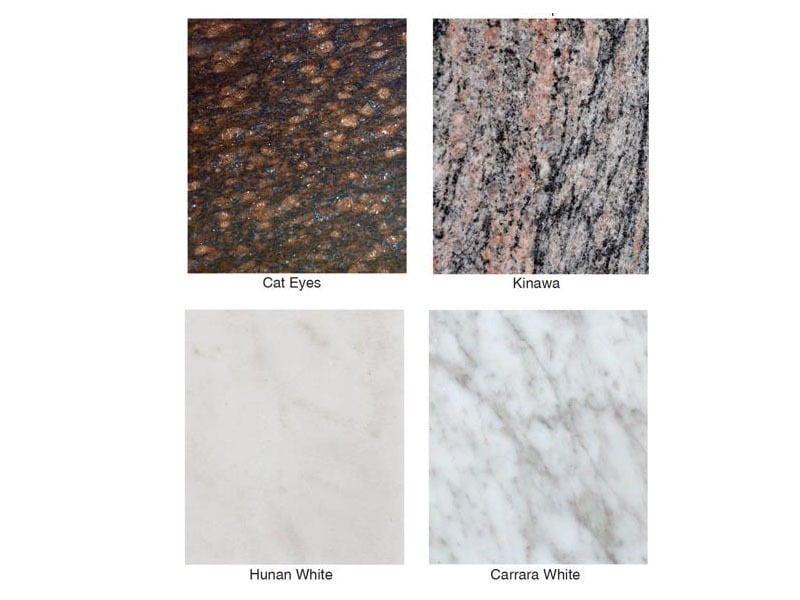
Granite durability is driven by its density, quartz and feldspar content, and natural fissures present at the quarry. Low-porosity, high-density granites generally resist moisture absorption, abrasion, and staining better than softer stones. However, exposure to acid rain, airborne pollutants, and salt spray accelerates surface etching and can degrade sandblasted lettering or honed finishes. In regions with pronounced seasonal temperature swings, thermal cycling causes expansion and contraction that can exacerbate microcracks and lead to spalling if the stone was not properly selected or processed.
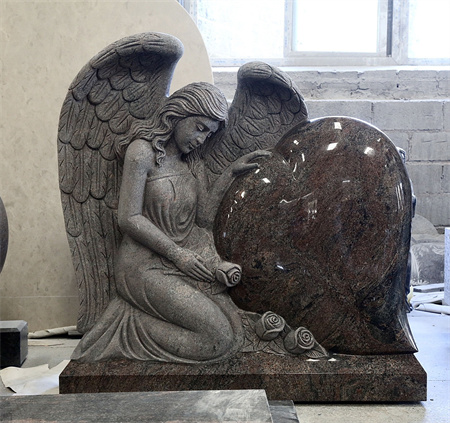
Manufacturing controls play a central role in mitigating weather-related deterioration. Accurate block selection at the quarry, sawing with modern diamond wire, and controlled drying reduce internal stresses. Surface treatments must be matched to expected environmental conditions: a polished finish limits water ingress but shows etching more readily, while a flamed or bush-hammered finish hides wear but may be more susceptible to biological growth. Sealants and hydrophobic coatings reduce moisture penetration and salt crystallization, but they must be compatible with mechanical properties of granite and applied under controlled conditions to ensure even coverage. Sandblasting, laser etching, and deep-carved inscriptions require attention to depth and edge treatment to avoid trap points for debris and moisture.
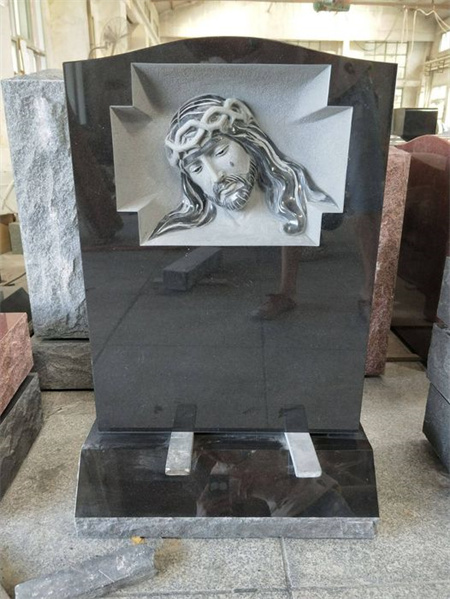
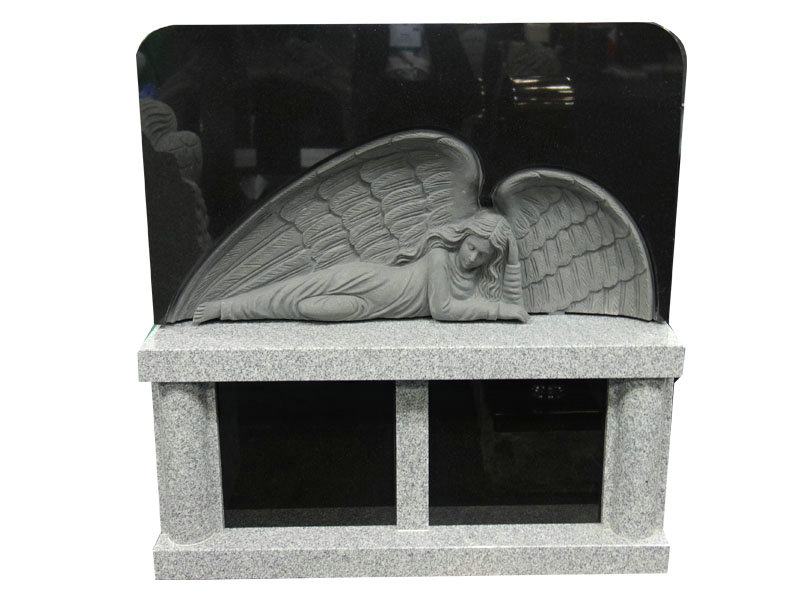
Customization requests, such as intricate carvings, inlaid metals, or multi-piece memorials, introduce additional weathering considerations. Stainless steel dowels, marine-grade fixings, and epoxy adhesives improve structural integrity at joints and bases, especially where frost heave or soil movement is common. Designing monuments with proper drip edges, sloped surfaces, and drainage channels minimizes standing water and reduces biological colonization. For imported memorials destined for coastal or industrial regions, recommending granites with lower iron content can prevent rust staining from oxidizing minerals.
Quality control protocols should include porosity and water absorption testing, salt spray exposure simulations, and freeze-thaw cycling where applicable. Visual inspection for fissures, color consistency, and polish uniformity remains vital before shipment. Many manufacturers provide factory acceptance tests and can arrange third-party laboratory reports to verify compliance with international standards such as ASTM methods pertinent to natural stone. Pre-shipment sample approval and clear written specifications for finishes and tolerances reduce disputes and ensure that the delivered cemetery monuments meet local durability expectations.
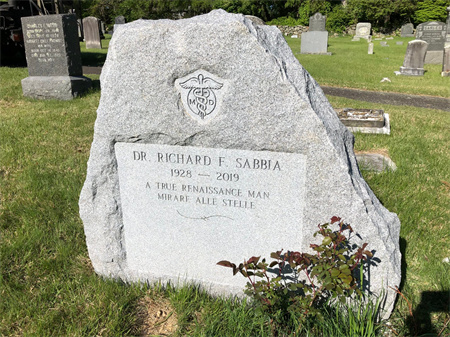
International shipping and logistics introduce further risks related to weather exposure. Proper packaging and containerization protect finished tombstones from salt spray, humidity, and mechanical damage during transit. Crates should be fitted with moisture barriers, desiccants, and anti-corrosion materials, and stones must be secured with resilient cushioning and bracing to prevent movement. Export documentation should include clear labeling of handling instructions and installation guidance tailored to the destination climate. Coordinating transit routes and port handling to minimize exposure to marine atmospheres reduces the likelihood of post-delivery remediation.
Considering material selection, manufacturing methods, customization details, and robust quality control and shipping practices helps buyers specify granite memorials that perform reliably across diverse climates. Careful coordination between supplier and purchaser on finish, fixings, and packaging supports long-term monument performance and lower maintenance for end users.
 Chaole industrial district ,Chongwu town,Huian,Fujian,362131,China


If you want to know more about our products designs
and get the best quotation, please don't hesitate to send a subscription
email,thank you!
Copyright © Huian Boda Stone Co.,Ltd All rights reserved.

ipv6 network supported


