



News
Machine Cutting vs Hand Finishes Impact on Monument Price
For importers, wholesalers, and funeral supply companies evaluating suppliers of granite monuments and tombstones, the choice between machine cutting and hand finishing has a direct bearing on unit price, lead time, and long-term quality control costs. Understanding how each approach affects manufacturing, materials, customization levels, and shipping can help buyers calculate true landed cost and align product offerings with market expectations.
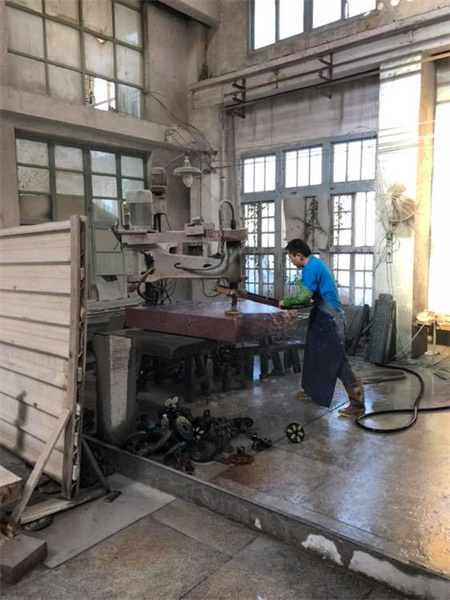
Machine-driven fabrication typically relies on CNC routers, diamond wire and gang saws, and automated polishing lines. These processes deliver consistent dimensions, reproducible edge treatments, and tight tolerances across high-volume runs. Automated engraving and sandblasting controlled by CAD files allow for rapid production of standard memorial text and motifs with minimal rework. The capital expenditure for industrial machinery is high, but once amortized in a production environment, the per-piece labor cost and variability fall, which reduces unit price for bulk orders. Machine cutting also produces predictable slab yield and kerf waste, simplifying material planning for different granite types and slab sizes.
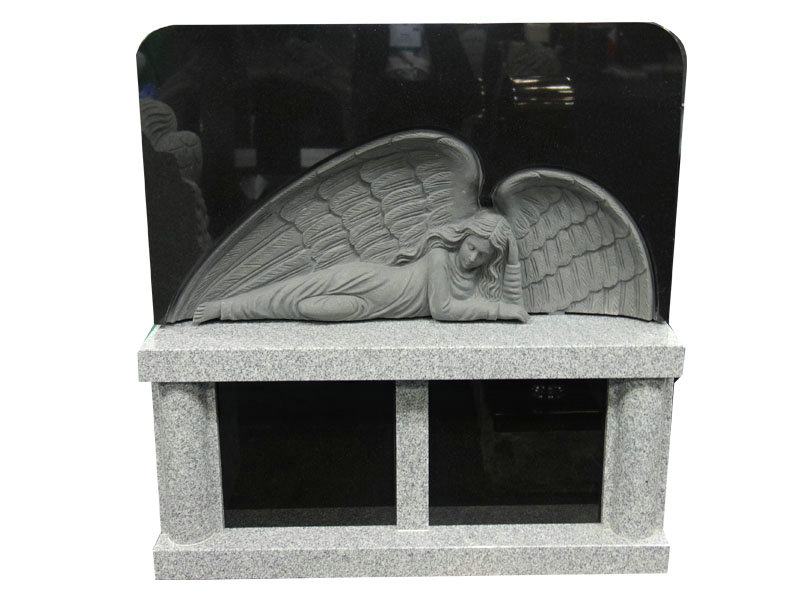
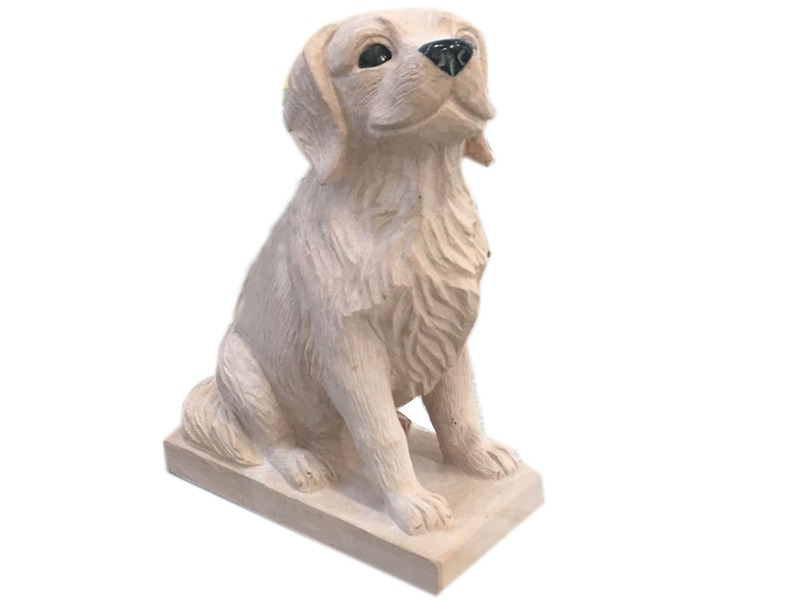
Hand finishing introduces skilled labor at several stages: hand polishing for specific gloss levels, hand carving for personalized bas-reliefs, manual chamfering and final surface touch-ups, and traditional letter cutting in some markets. These operations are labor-intensive and rely on artisan experience to achieve nuanced textures and unique details. For customized memorials or limited-edition designs, hand finishing adds value that can justify a higher selling price. However, it increases production time, raises the likelihood of small inconsistencies between units, and elevates labor cost per monument — factors that directly inflate FOB prices and affect margins for distributors.
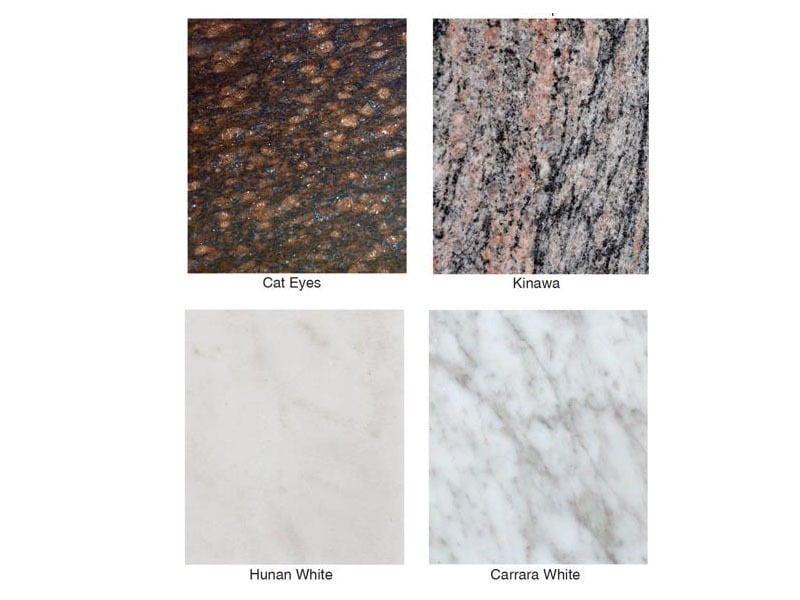
Material selection further influences the cost dynamics. Harder granites require slower machining feeds and more frequent tooling changes, increasing both machine wear and labor for finishing. Exotic or rare slabs have higher purchase prices and tighter yield considerations, whether the surface is finished mechanically or by hand. Finish type — polished, honed, sandblasted, or flamed — determines polishing time and abrasive consumption; machine polishing streamlines these steps, while hand polishing is slower but can match special gloss specifications preferred in premium memorial lines.
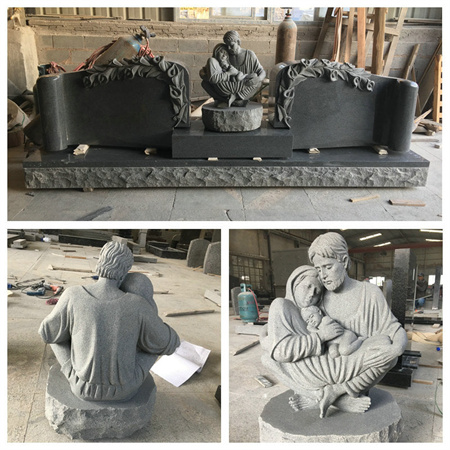
Quality control practices differ between the two methods. Machine processes support digital traceability, measurement of tolerances, and repeatable surface gloss readings, which lower scrap rates and warranty exposure. Hand-finished items require robust inspection protocols and signed-off samples to maintain consistency, which can raise administrative overhead. Rework and rejection costs are typically higher with manual finishes, especially on complex multi-piece monuments where joint flatness and adhesive bonding must be flawless.
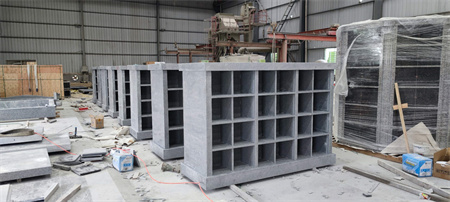
International logistics and packaging add another layer to pricing. Machine-produced monuments with uniform dimensions are easier to palletize and crate tightly, optimizing container loading and reducing freight per unit. Hand-carved or irregular shapes often need custom crating and additional protective materials, increasing volumetric weight and freight charges. Longer lead times for artisanal work can require higher inventory levels or more advanced production scheduling, affecting working capital. Buyers should also factor in export documentation, customs duties, insurance, and potential delays that can magnify cost differentials between production methods.
In conclusion, the trade-off between mechanized cutting and hand finishing affects monument price through differences in capital and labor costs, material handling, customization capabilities, quality control demands, and international shipping implications. Buyers should weigh order volume, desired finish complexity, tolerance tolerance, and total landed cost when selecting suppliers and production methods.
 Chaole industrial district ,Chongwu town,Huian,Fujian,362131,China


If you want to know more about our products designs
and get the best quotation, please don't hesitate to send a subscription
email,thank you!
Copyright © Huian Boda Stone Co.,Ltd All rights reserved.

ipv6 network supported


