



News
OEM vs ODM Monument Manufacturing
When sourcing granite monuments and tombstones for resale or installation, overseas buyers must weigh the practical differences between OEM and ODM supply models to match product expectations, budgets, and timelines. Understanding how each approach affects manufacturing, materials, customization, quality control, and international shipping helps importers, wholesalers, distributors, and funeral supply companies make informed procurement decisions.
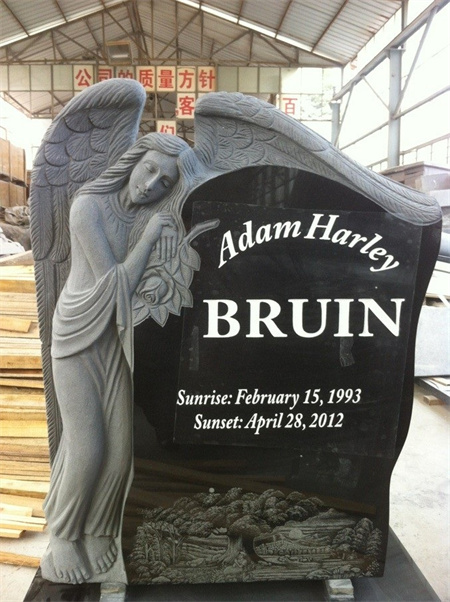
Under an OEM arrangement, the buyer supplies detailed drawings, specifications, or samples and the manufacturer produces components or finished memorial products to those exact requirements. This model is common for headstones, cemetery monuments, mausoleum panels, and bronze plaques when retailers want to retain proprietary designs or branding. Production typically follows established specifications for dimensions, inscription styles, material grade, and surface finish. MOQ and lead time are influenced by order complexity and the need for custom tooling or templates.
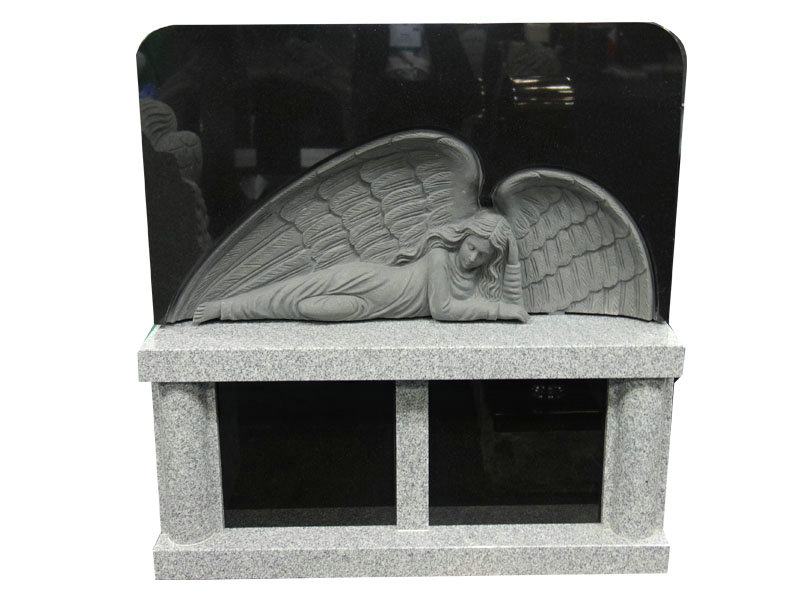
An ODM supplier, by contrast, provides in-house designs and often pre-developed product lines that can be adapted or rebranded for the buyer. For stone memorials, this can speed time-to-market when the manufacturer offers a catalog of granite monuments, cross designs, or urn niches that require minimal modification. Initial tooling costs are lower for buyers, but exclusivity of design may be limited unless negotiated. ODM solutions can be advantageous for distributors seeking standardized tombstone ranges with consistent pricing and predictable production cycles.
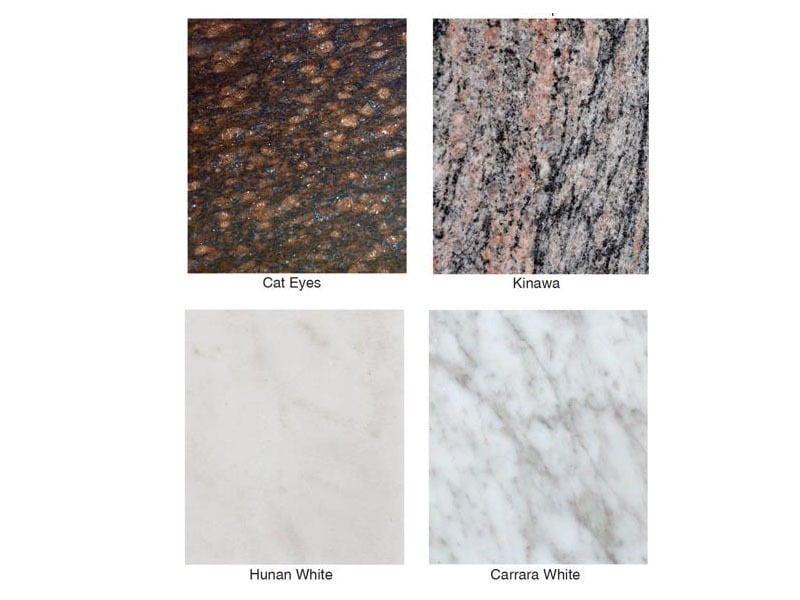
Materials and manufacturing techniques determine durability and aesthetic quality in the memorial industry. Granite remains the primary material due to its weather resistance and polishability; popular stone types include dark black and various grey granites with low porosity. Manufacturing steps include block cutting, gang sawing, CNC carving for precise shapes and lettering, sandblasting or laser etching for detailed portraits, hand finishing for edges, and multi-stage polishing. Bronze components such as plaques and vases are typically sand-cast or die-cast and finished with patinas and lacquers. Quality for wholesale orders depends on consistent raw material sourcing, batch control, and adherence to specified finishes.
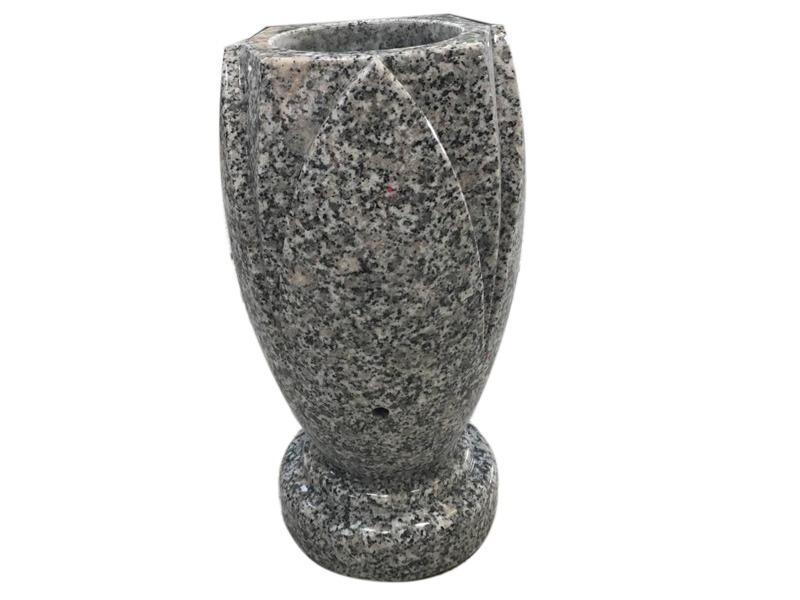
Customization options extend beyond size and inscription to color matching, recessed vases, anti-theft fixings, and installation hardware. For OEM projects, full customization is possible including private label stamping or proprietary design features, with corresponding increases in lead time and cost. ODM projects allow quicker turnaround for established styles and simplified ordering processes, which is useful for volume buyers managing seasonal demand in cemetery monument sales.
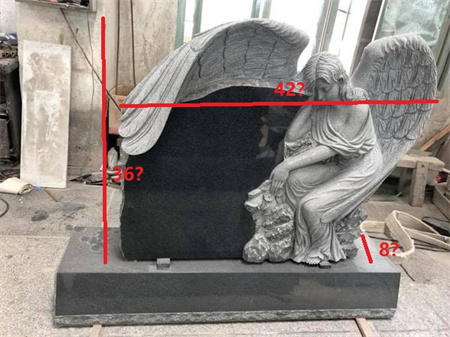
Robust quality control protocols are essential for international buyers. Incoming stone inspection, dimensional verification, polish quality checks, adhesion testing for applied elements, and accelerated weathering assessments support long-term performance in outdoor environments. Reputable factories implement documented QA/QC procedures, traceability for batch origin, and may provide third-party inspection reports or ISO certifications upon request. Samples and pre-shipment inspections are standard practices to minimize discrepancies on arrival.
International shipping of heavy memorials requires careful planning. Export packaging must prevent chipping and water ingress; custom crating, foam protection, and palletization are typical. Buyers should clarify Incoterms such as FOB, CIF, or DDP, confirm container loading strategies for full container loads versus LCL, and verify export documentation, customs clearance requirements, and cargo insurance. Transit time, port handling, and seasonal demand affect lead times and should be factored into inventory planning.
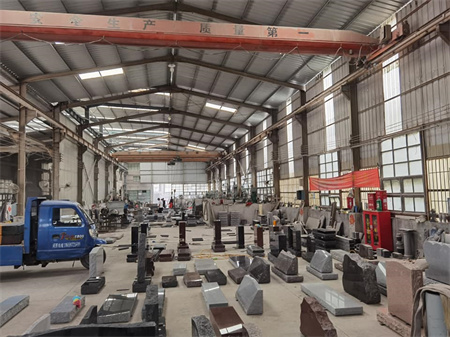
Choosing between OEM and ODM supply models involves balancing customization needs, intellectual property considerations, cost, and delivery timelines. Importers and distributors should evaluate factory capabilities in stone processing, CNC carving, finishing, quality assurance, and export logistics to align procurement strategy with market requirements and operational capacity.
 Chaole industrial district ,Chongwu town,Huian,Fujian,362131,China


If you want to know more about our products designs
and get the best quotation, please don't hesitate to send a subscription
email,thank you!
Copyright © Huian Boda Stone Co.,Ltd All rights reserved.

ipv6 network supported


