



News
Cultural Differences in Monument Design
Cultural preferences have a direct effect on the design and specification of grave markers, and understanding these differences is essential for overseas importers, wholesalers, distributors, and funeral supply companies that source granite monuments and related memorial products. Regional traditions influence choice of materials, form, inscriptions, decoration, and the technical processes used in monument manufacturing. Suppliers who align production capabilities with cultural requirements reduce lead times, limit rework, and improve end-customer satisfaction.
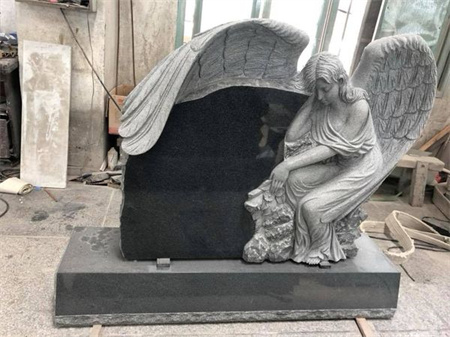
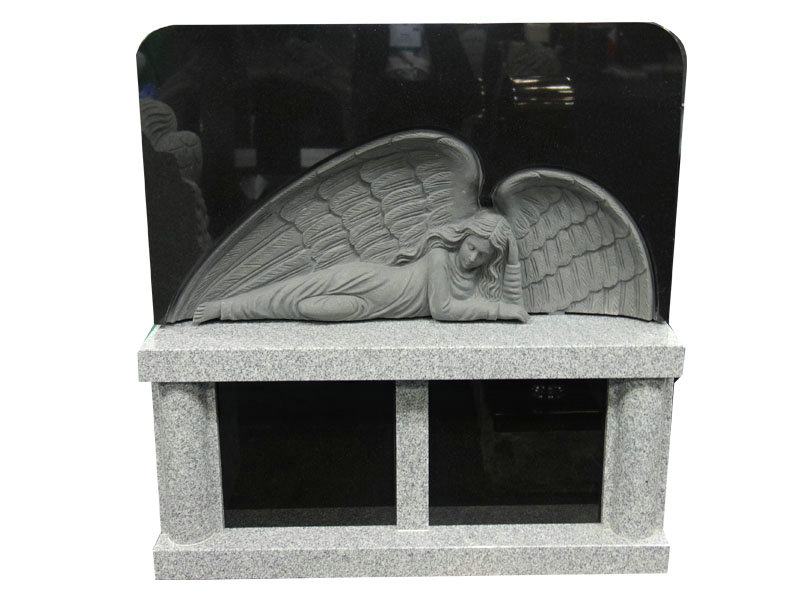
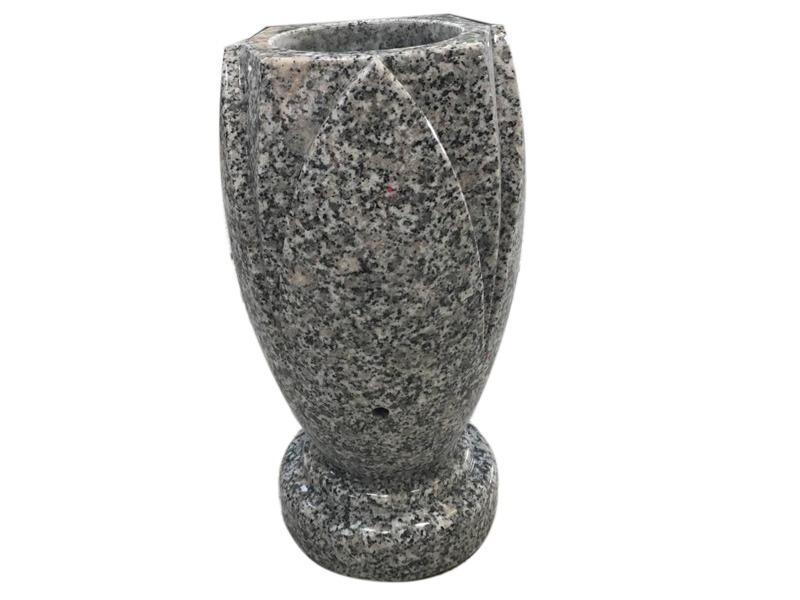
In many Western markets, a common expectation is for upright headstones or flat lawn-level plaques with Latin alphabet inscriptions and restrained ornamentation. Conversely, East Asian buyers often request larger, elaborate granite monuments with color preferences such as black, red, or green granites, vertical formats, and integrated features like granite vases or candle holders. In Muslim-majority regions, simpler shapes and stone finishes that accommodate Arabic script are typical, while some Eastern European markets favor heavy, ornate memorials with sculpted figurative elements. These divergent design norms affect factory workflows, tooling requirements, and inventory of raw materials.
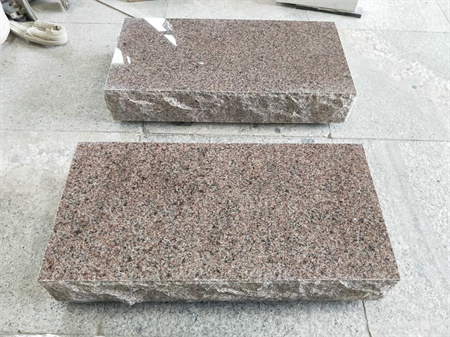
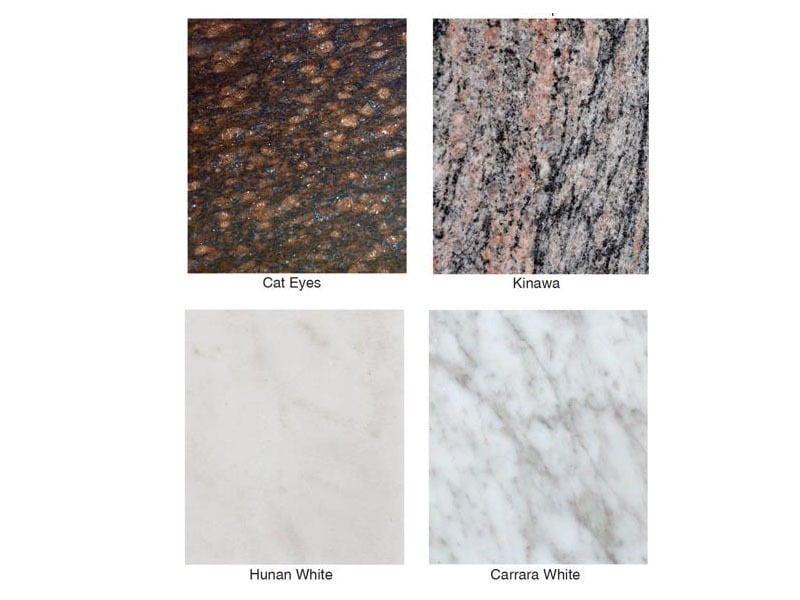
Material selection and finishing processes play a key role in meeting cultural specifications. Granites selected for memorials must meet standards for density, color consistency, and weather resistance. Importers should verify the origin and grade of stone—absolute black, jet black, gray granite, and red granites are stocked differently by quarries and have distinct polishing and sealing requirements. Manufacturing techniques such as CNC cutting, waterjet, sandblasting, hand carving, and laser etching are applied depending on design complexity. CNC routers and automated polishing lines offer precision for repeat orders, while skilled artisans are often needed for hand-carved motifs and relief work that certain cultural styles demand.
Customization is a major differentiator in monument supply. Accurate handling of multilingual inscriptions requires correct font files and Unicode compatibility, while photographic portraits may require ceramic, granite-inlaid, or laser-etched solutions. Buyers should specify exact dimensions, foundation requirements, and local cemetery regulations at the RFQ stage to ensure final products fit on plots and meet anchoring standards. Digital proofs, material samples, and pre-production photos are standard industry practices to minimize misinterpretation of symbols and scripts that carry cultural significance.
Quality control must account for both structural and aesthetic criteria. Common QC checks include dimensional tolerances, flatness, polishing quality, adhesion of inlays, edge finishing, and verification of inscription accuracy against approved text. Physical tests for porosity and compressive strength, as well as accelerated weathering for surface treatments, are useful for higher-risk climates. Reputable manufacturers implement documented quality systems, often aligned with ISO 9001, and welcome third-party inspections or factory audits requested by importers and distributors.
International shipping and export logistics present additional considerations. Granite monuments are dense and heavy, requiring robust packaging—treated wooden crates complying with ISPM 15, internal bracing, shock-absorbing materials, and moisture barriers—to protect intricate finishes during transit. Accurate commercial invoices, packing lists, Certificate of Origin, and Bills of Lading are needed for customs clearance. Freight forwarders should be selected with experience handling oversized, heavy freight and cemetery monuments to manage LCL or FCL options, transit insurance, and local delivery constraints. Lead times must factor in production, inspection, crate manufacturing, and port handling to avoid delays during peak seasons.
Aligning monument manufacturing capabilities with cultural design expectations, robust quality control, and precise export logistics enables smoother international trade and fewer costly revisions. A pragmatic approach to materials, customization, and shipping requirements helps buyers and suppliers meet the functional and symbolic demands of diverse markets.
 Chaole industrial district ,Chongwu town,Huian,Fujian,362131,China


If you want to know more about our products designs
and get the best quotation, please don't hesitate to send a subscription
email,thank you!
Copyright © Huian Boda Stone Co.,Ltd All rights reserved.

ipv6 network supported


