



News
Weather-Resistant Granite Monuments
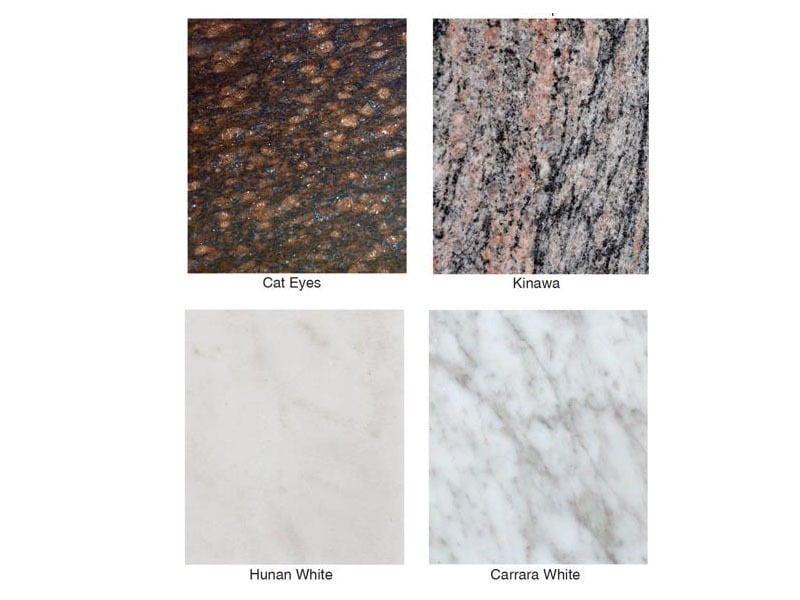
Manufacturers serving overseas monument importers and funeral supply companies prioritize durability and long-term performance when producing granite headstones and memorials. Selection of raw material begins at the quarry, where granites with low porosity, high compressive strength and consistent mineral composition are preferred to withstand freeze-thaw cycles, UV exposure and acid rain. Common export grades include G623, G654, G603 and G682, chosen for their density and proven weather resistance. Batch selection and slab tracing help maintain color consistency across orders destined for distribution networks and wholesalers.
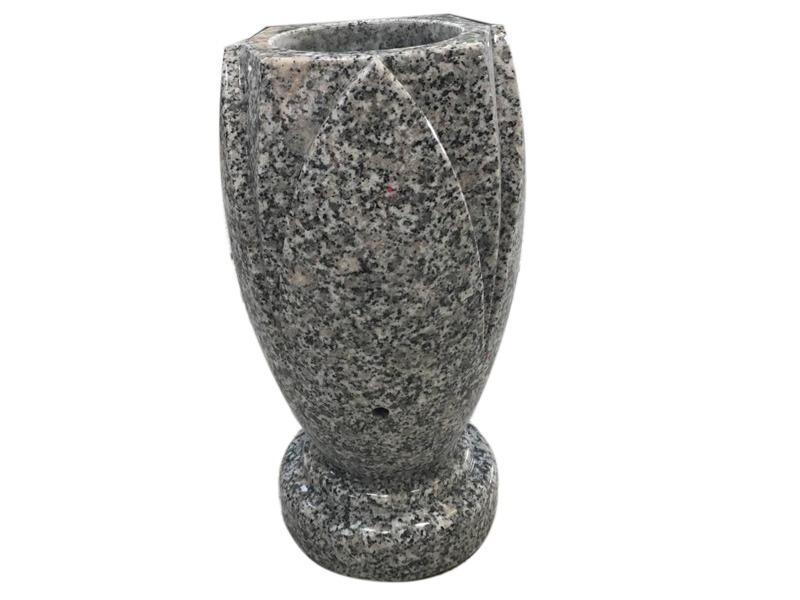
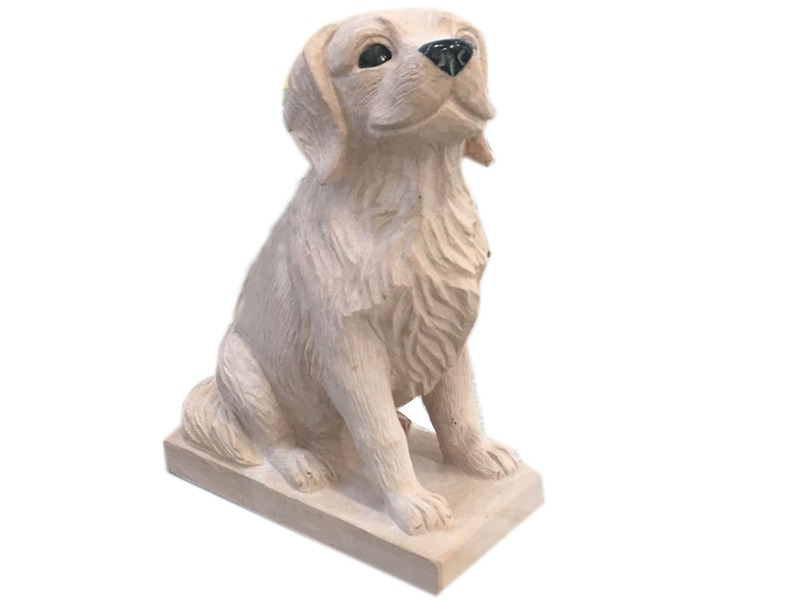
The production process integrates modern CNC machining with traditional finishing techniques to meet diverse design specifications. Block sawing and gang sawing yield precise slab dimensions; CNC routers and waterjet cutters are used for complex silhouettes and recesses for bronze attachments or vase holes. Surface finishes vary by specification, including polished, honed, flamed and leathered treatments, each offering different levels of reflectivity and slip resistance. Lettering and imagery are typically executed by sandblasting for deep, durable inscriptions, while laser etching provides higher-resolution photographic detail. Hand carving remains an option for bespoke memorials requested by high-end distributors or monument retailers.
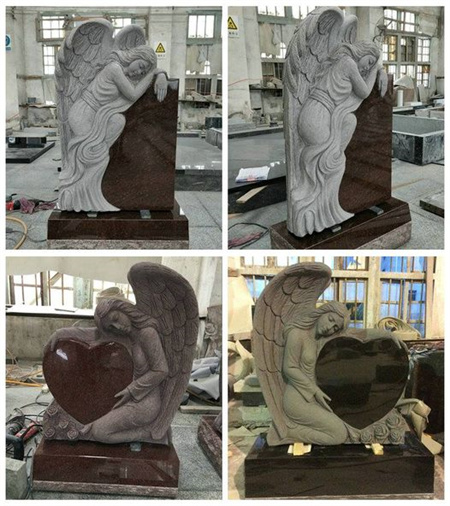
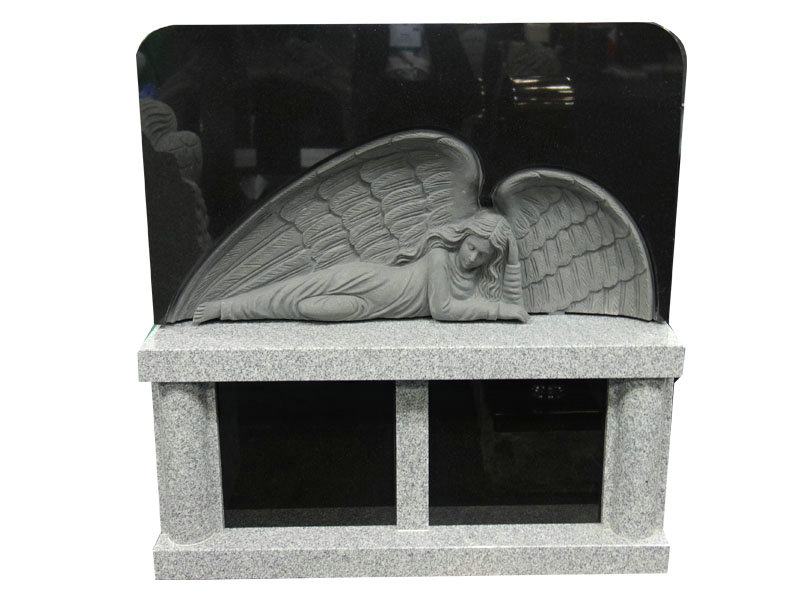
Customization is a core service for overseas distributors and importers. Standard product lines often include upright headstones, flat markers, bench memorials and family monuments, but manufacturers also accommodate bespoke dimensions, edge profiles and emblem recesses. Integration options include bronze or stainless-steel plaques, ceramic photos, and inlay work. Templates and CAD drawings are commonly exchanged during the pre-production stage, with digital proofs and sample pieces used to confirm fonts, artwork placement and finish before full production begins. This stage is critical for aligning expectations across different markets and cemetery regulations.
Quality control in tombstone manufacturing focuses on both material integrity and workmanship. Incoming inspection of slabs covers physical properties such as water absorption, abrasion resistance and visible defects. In-process checks verify dimensional tolerances, surface finish quality and adhesion of any applied coatings or inlays. Final inspection commonly includes verification against approved drawings, evaluation of lettering depth and edge fidelity, and a packing inspection to ensure monuments meet export protection standards. Many factories work with third-party inspectors or hold ISO-related certifications to provide buyers with verifiable quality records.
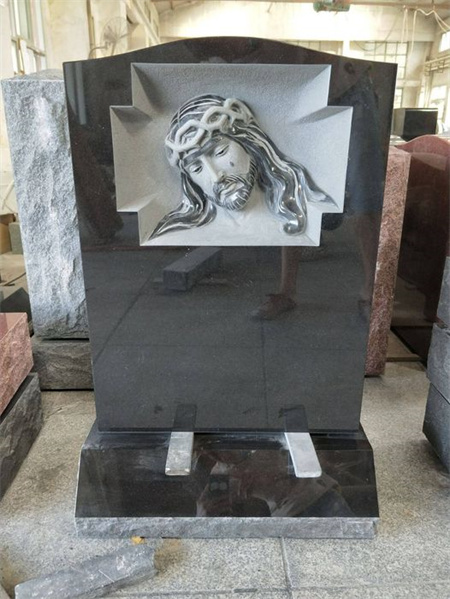
International shipping considerations directly affect how memorial products are manufactured and packed. Export packaging is designed to protect heavy stone from impact and moisture during sea or air transit. Palletized loads inside fumigation-compliant wooden crates (ISPM 15-treated) or custom foam-protected frames are typical, with desiccants and corrosion inhibitors used for metal fixings. Proper labeling, consolidated packing lists, commercial invoices and certificates of origin help expedite customs clearance. Lead times should account for sample approval, production, crating and transit; suppliers often provide container loading plans to maximize protection and reduce freight cost per unit.
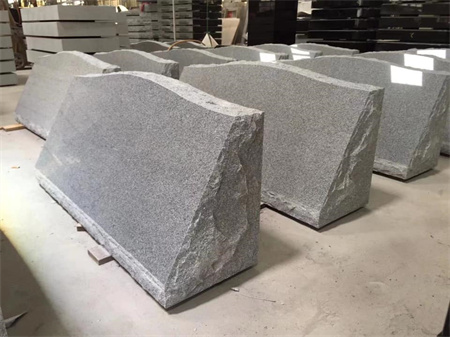
For overseas distributors and funeral supply companies, understanding these manufacturing, customization and logistics factors is essential for sourcing long-lasting memorial products. A clear specification, agreed inspection points and comprehensive shipping documentation together reduce risk and ensure monuments reach the market ready for installation.
 Chaole industrial district ,Chongwu town,Huian,Fujian,362131,China


If you want to know more about our products designs
and get the best quotation, please don't hesitate to send a subscription
email,thank you!
Copyright © Huian Boda Stone Co.,Ltd All rights reserved.

ipv6 network supported


