



News
Granite vs Concrete Why Natural Stone is Superior
When selecting material for cemetery memorials, headstones, and monuments, procurement teams must balance upfront cost with long-term performance. Natural granite and cast concrete are the two most common options, but they differ substantially in material properties, manufacturing processes, customization potential, quality control, and implications for international shipping and installation.
From a materials standpoint, granite is an igneous natural stone with high density, low porosity, and strong resistance to weathering. These characteristics translate into a surface that holds polish, resists staining, and withstands freeze-thaw cycles and acid rain far better than cast concrete. Concrete, while economical and versatile in formwork applications, is inherently more porous and reliant on proper mix design, reinforcement, and curing to achieve durable results. Over time, concrete memorials are more prone to efflorescence, cracking, and color change, requiring more frequent maintenance or replacement.
Manufacturing differences affect both aesthetics and longevity. Granite monuments are produced by cutting and profiling quarried blocks or slabs using diamond-wire sawing, CNC profiling, and waterjet or abrasive cutting for complex shapes. Skilled stoneworkers perform polishing, honing, sandblasting, and hand-finishing to produce consistent grain, fine edges, and deep, long-lasting engraving. Granite accepts detailed carving and laser photo etching, enabling high-fidelity portraits and precise lettering that remain legible for decades. In contrast, cast concrete is formed in molds; while it allows for lower-cost volume production and certain cast details, it has limitations in achieving the same degree of crisp engraving, surface polish, and colorfastness as natural stone.
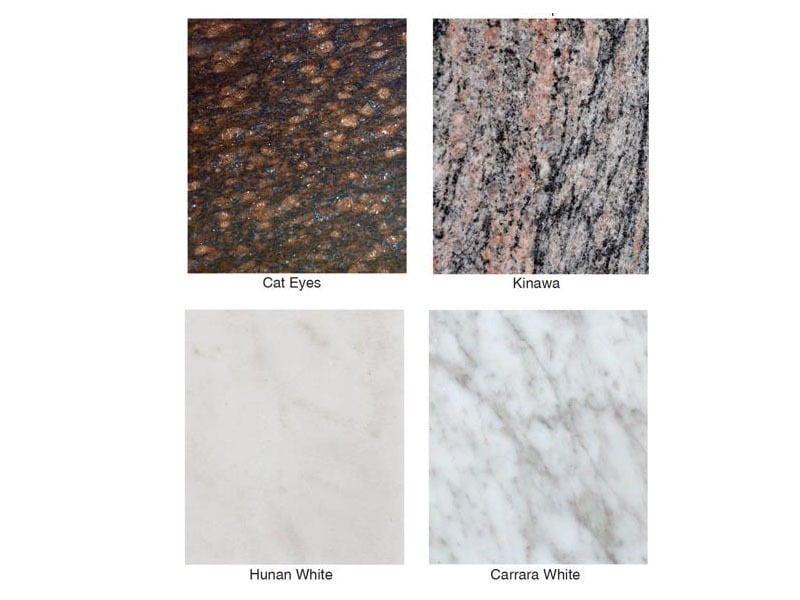
Customization is an important consideration for distributor catalogs and dealer offerings. Natural stone provides a broad palette of colors and veining from different quarries, allowing brands to offer differentiated product lines and bespoke designs. Multi-piece monuments, inlaid emblems, bronze attachments, and complex profiles are feasible with consistent tolerances when CNC machining and template controls are used. Concrete can accommodate custom molds and integral coloration, but matching batches and achieving fine detailing at scale can be more challenging.

Robust quality control protocols are integral to meeting importers’ expectations. Reputable stone manufacturers implement inspection points across the production process: slab selection, dimensional verification, surface finish checks, engraving inspection, and adhesion or mechanical fastening tests for multi-part assemblies. Density and porosity testing, polish gloss-meter readings, and photographic records for photo etches are common. For cast pieces, mix proportion verification, curing records, and reinforcement placement monitoring are critical to minimize variability and premature failure.
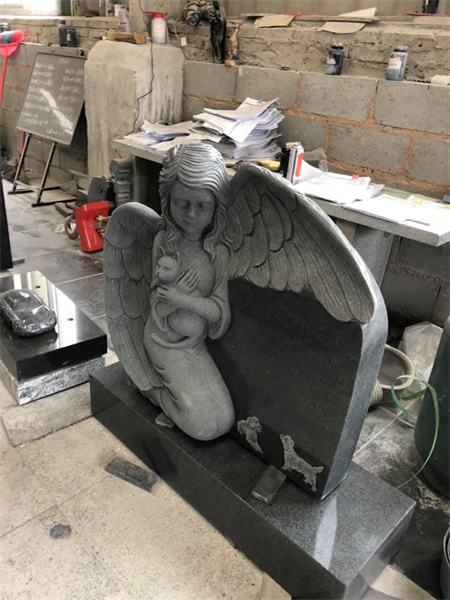
International logistics and packaging further differentiate the two materials. Granite’s high specific gravity increases shipping weight and freight costs, but its inherent durability reduces damage risk in transit when properly crated. Export packing typically includes custom wooden crates, corner protection, internal bracing, steel straps, and compliance with ISPM15 for wooden materials. Containerization strategies—FCL consolidation for full container loads or careful LCL arrangements—alongside accurate commercial invoices, certificates of origin, and third-party inspection reports, help smooth customs clearance. Concrete units are lighter per unit volume but often require thicker protective packing for edges and surfaces and may impose different stacking constraints.
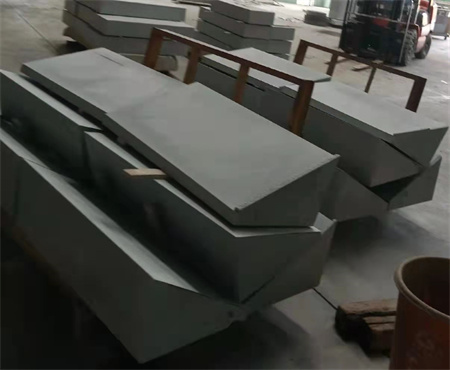
For importers, wholesalers, distributors, and funeral supply companies evaluating supplier proposals, the trade-offs relate to lifecycle value, customization needs, and logistical considerations. Natural granite tends to deliver superior longevity, aesthetic permanence, and higher perceived value, while concrete can be appropriate where upfront cost and rapid production are the primary drivers. Informed decisions will rest on clear specification of material properties, manufacturing controls, finish and engraving standards, and transparent shipping and quality assurance processes.
 Chaole industrial district ,Chongwu town,Huian,Fujian,362131,China


If you want to know more about our products designs
and get the best quotation, please don't hesitate to send a subscription
email,thank you!
Copyright © Huian Boda Stone Co.,Ltd All rights reserved.

ipv6 network supported


