



News
How Importers Handle Custom Monument Orders
Importers and distributors of granite monuments and tombstones manage a complex supply chain that starts long before a container is loaded and ends after installation at the cemetery. Effective handling of custom monument orders requires close coordination with manufacturers on materials, design specifications, production methods, and international shipping details to ensure timeliness, compliance, and acceptable margins for wholesalers and funeral supply companies.
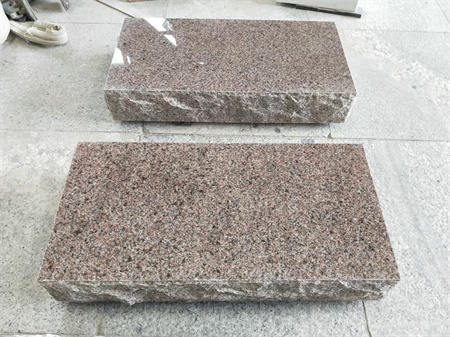
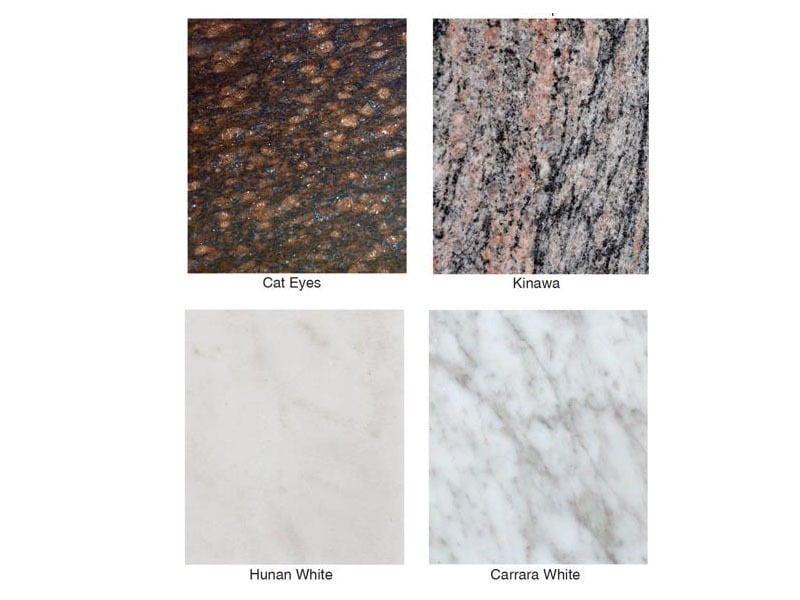
The selection and sourcing of materials is often the first critical decision. Granite remains the preferred stone for durability and low maintenance, with popular varieties including black, gray, red, and green granites that meet differing aesthetic and budgetary requirements. Importers typically specify stone type, slab dimensions, and minimum surface quality, requesting photos or certificates of origin for traceability. For projects that require alternative materials such as marble or bronze attachments, clear material specifications and compatibility checks are necessary to avoid issues with adhesion, corrosion, or onsite weathering.
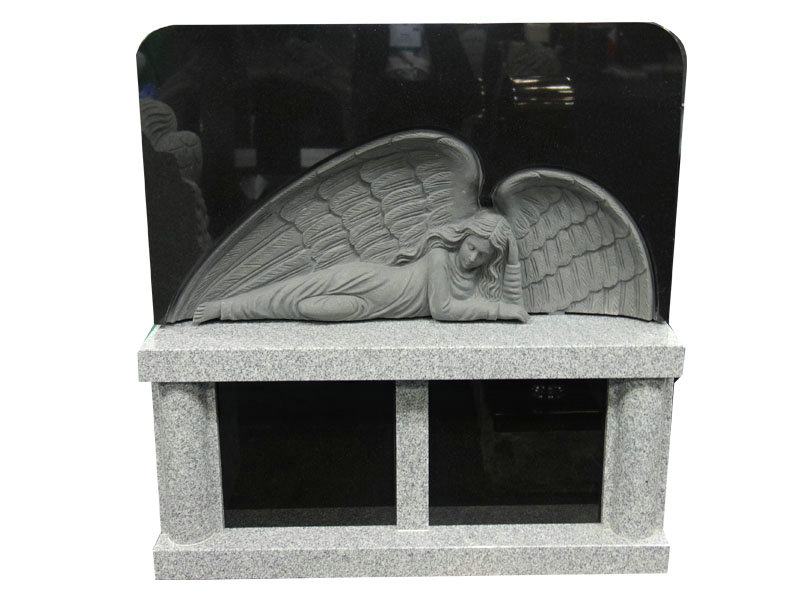
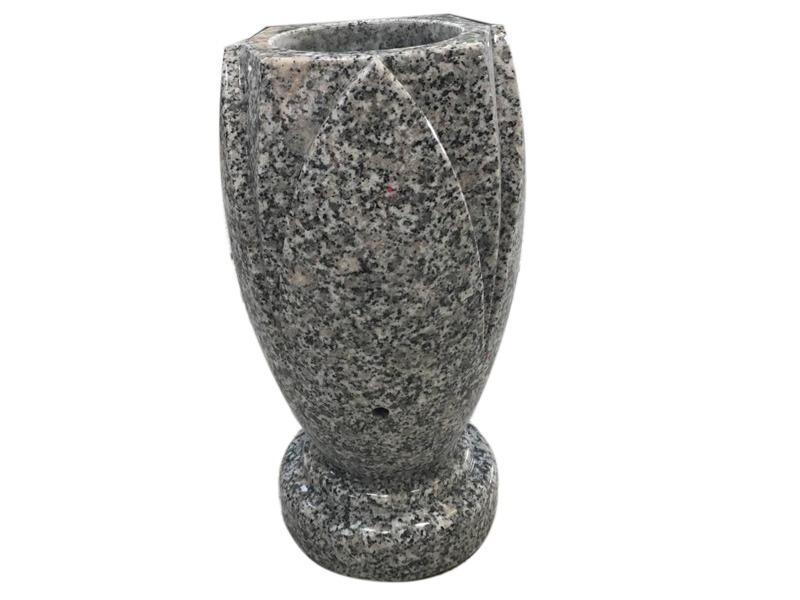
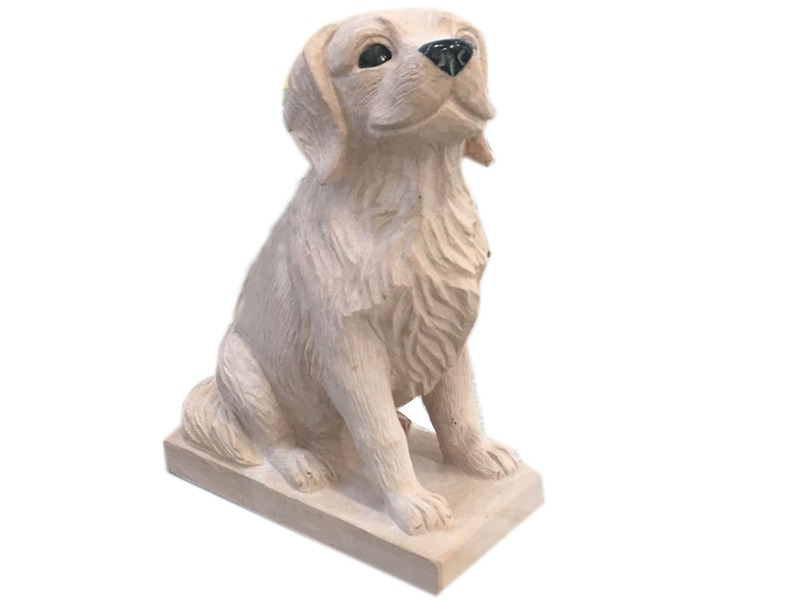
Customization is central to the monument business. Importers work with factories to translate cemetery rules and client requests into technical drawings, usually in CAD format. Custom lettering, sandblasting, carving, laser etching, inlay work, and bronze casting for plaques or vases are coordinated through approved design proofs. Modern manufacturers employ CNC machining for precise cutting and profiling, followed by polishing, honing, and surface finishing that match the approved samples. For full customization projects, prototype samples or mock-ups are commonly produced to verify color, finish, and inscription fidelity before mass production.
Manufacturing and quality control processes are critical to protecting reputation and reducing returns. Reliable suppliers implement systematic inspections at multiple stages: incoming stone checks, in-process dimensional and finish verifications, and final inspection of inscriptions and fittings. Photographic records, measurement reports, and, when required, third-party pre-shipment inspections provide importers with assurance. Quality control should also cover installation accessories such as anchor dowels, metal frames, and epoxy compounds to ensure monuments meet cemetery installation standards.
International shipping adds another layer of complexity. Importers must decide between full container loads (FCL) and consolidated shipments (LCL) based on order volume and cost efficiency. Proper packaging is essential to prevent damage during transit; manufacturers typically crate monuments in reinforced wooden crates with internal bracing, foam protection, and corrosion inhibitors for any metal components. Export documentation—commercial invoice, packing list, bill of lading, origin certificates, and any required health or phytosanitary certificates for wooden packaging—must be accurate to avoid customs delays. Understanding HS codes, duty rates, and local cemetery regulations in the destination country helps prevent unexpected costs at clearance.
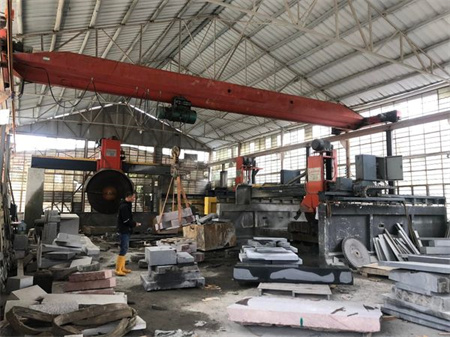
Commercial terms and logistics management affect lead times and cash flow. Typical factories set minimum order quantities and lead times that reflect cutting, finishing, and curing periods, often ranging from several weeks to months depending on complexity. Payment terms vary, with letters of credit, deposits followed by balance on shipment, or negotiated net terms for established buyers. Working with experienced freight forwarders and customs brokers reduces transit risk and simplifies coordination with local installers or distributors.
For long-term partnerships, importers often conduct factory visits or audits to evaluate production capacity, workforce skill levels, and adherence to environmental and safety standards. Certifications such as ISO 9001, documented workplace safety practices, and consistent sample delivery records strengthen confidence. Maintaining clear specifications, mutually agreed inspection checkpoints, and responsive communication channels ensures custom monument orders are manufactured to specification and delivered in a condition suitable for installation.
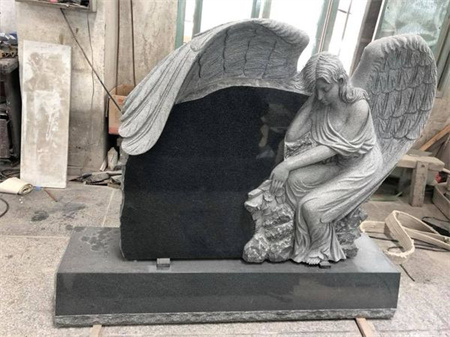
In conclusion, handling custom monument orders successfully requires detailed material specification, precise customization workflows, robust quality control, careful international shipping planning, and commercial arrangements that reflect the realities of stone manufacturing and cross-border logistics.
 Chaole industrial district ,Chongwu town,Huian,Fujian,362131,China


If you want to know more about our products designs
and get the best quotation, please don't hesitate to send a subscription
email,thank you!
Copyright © Huian Boda Stone Co.,Ltd All rights reserved.

ipv6 network supported


