



News
Import Requirements for Australia & New Zealand
For overseas suppliers of granite monuments and tombstones, understanding the import environment in Australia and New Zealand is essential to maintain smooth supply chains and meet expectations of wholesalers, distributors, and funeral service providers. Both markets have specific biosecurity, customs and documentation requirements that affect manufacturing choices, packaging methods, and international shipping plans. Early coordination between factories, freight forwarders and buyers reduces delays and extra costs at ports of entry.
Manufacturing practices should start with raw material selection and consistent production standards. Commercial-grade granite used for headstones and memorials must be free of organic contamination such as soil, plant material or timber residues that could trigger quarantine interventions. Processing facilities should maintain clean yards and implement procedures to wash and dry stone prior to packing. For pieces incorporating bronze plaques, stainless steel fixings or concrete bases, manufacturers must control surface treatments and coatings to avoid prohibited residues and to ensure long-term durability in outdoor cemetery environments.
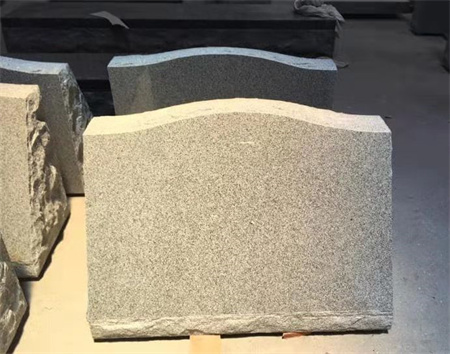
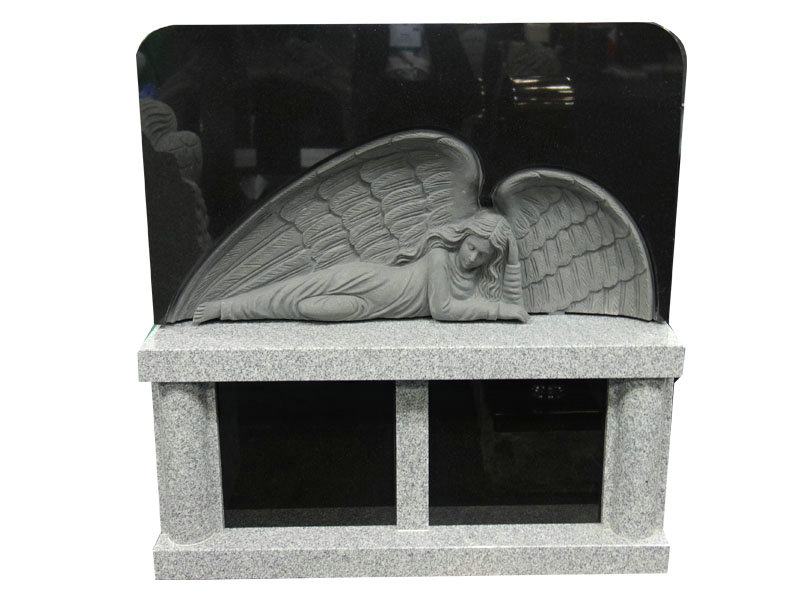
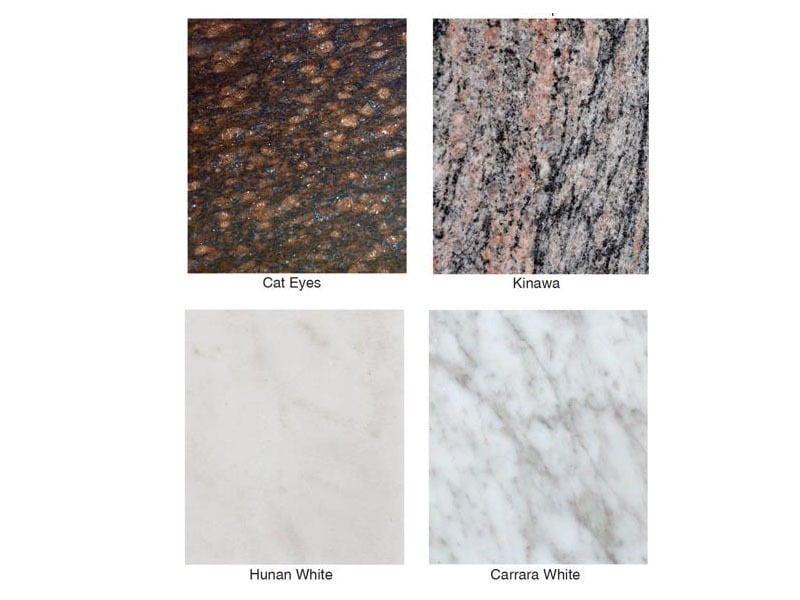
Customization is a key expectation for international clients, with requests ranging from bespoke engraving and etching to complex shapes and multi-piece monuments. Clear pre-production approvals are critical: provide high-resolution digital proofs, sample photographs of color and polish, and detailed drawings with dimensions and tolerances. Agreeing on exact sample approval processes and holding times prevents disputes after shipment. For modular or multi-piece memorials, label pieces clearly and include installation instructions to assist local installers and cemetery maintenance staff.
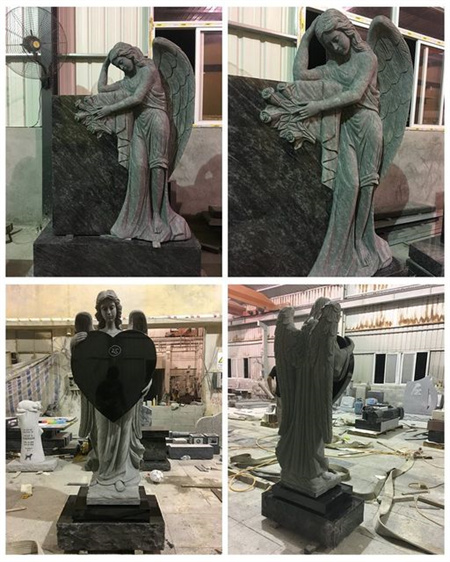
Quality control should combine factory-level checks and independent inspections. Typical internal checks include dimensional verification, polish consistency, edge finishing, bonding strength for multi-piece units, and corrosion resistance testing for metal components. Many importers arrange third-party inspection at the factory or prior to container loading to verify that finished goods match confirmed specifications and that packaging meets ISPM15 and quarantine requirements. Documenting inspection results, material certificates and photographs helps expedite customs clearance and serves as evidence in the event of damage claims.
Packaging and international shipping require attention to both protection and compliance. Australia and New Zealand enforce ISPM15 treatment for wooden packaging; timber must be heat-treated or fumigated and carry the appropriate mark. Crating should secure monuments against movement inside containers, using cushioning dunnage and adequate bracing to prevent chipping or breakage during ocean transit. For heavy or oversized memorials, full-container loads (FCL) are generally more secure than LCL consolidation. Include corrosion inhibitors or desiccants when shipping metal plaques, and choose lashing and corner protectors that minimize point loading.
Customs clearance processes differ between the two countries but share common documentation needs: commercial invoice, packing list, bill of lading or air waybill, and any required certificates such as a certificate of origin if seeking preferential tariff treatment under a free trade agreement. Import duties, goods and services tax and applicable brokerage fees should be calculated up front. Both jurisdictions maintain strict biosecurity inspections on arrival; unexpected organic material or non-compliant packaging can result in quarantine treatment, re-export or destruction, creating significant delays and costs.

Establishing reliable lead times and transparent Incoterms enables distributors and funeral suppliers to plan inventory and installations. Many buyers build factory audits, sample approval rounds and third-party inspections into initial orders. Clear communication about minimum order quantities, palletization, and technical details such as fixing systems and foundation recommendations will improve onsite installation outcomes and reduce warranty issues.
In conclusion, successful export of granite monuments to Australia and New Zealand rests on meticulous attention to manufacturing cleanliness, documented customization approvals, rigorous quality control and compliant packaging for international shipping. Early alignment on documentation and logistics minimizes clearance risks and supports durable, serviceable memorial products for local markets.
 Chaole industrial district ,Chongwu town,Huian,Fujian,362131,China


If you want to know more about our products designs
and get the best quotation, please don't hesitate to send a subscription
email,thank you!
Copyright © Huian Boda Stone Co.,Ltd All rights reserved.

ipv6 network supported


