



News
How to Conduct a Remote Factory Audit for Stone Manufacturers
Remote verification of a stone manufacturing facility has become a practical necessity for overseas monument importers, wholesalers, distributors, and funeral supply companies. When travel is limited, a structured remote factory audit can provide the information needed to evaluate a supplier’s manufacturing capabilities, material quality, customization options, and readiness for international shipping.
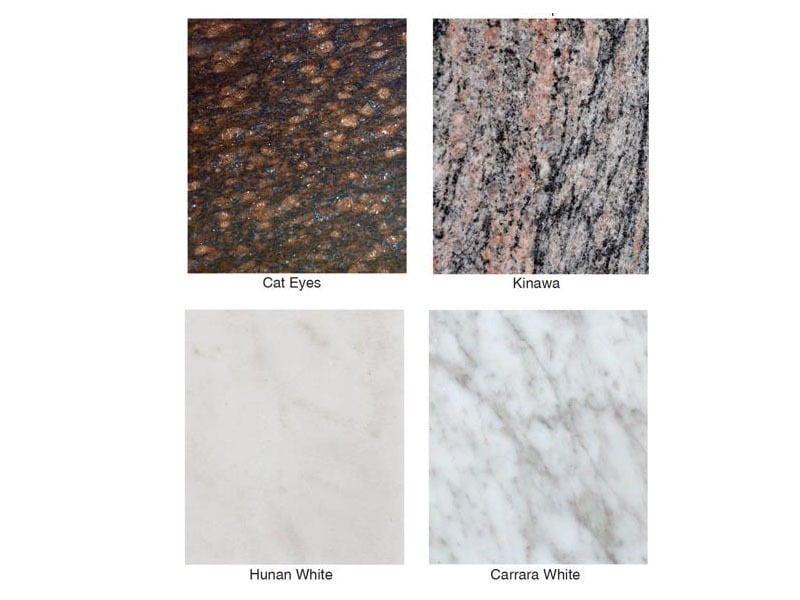
Begin the process by requesting documentation that demonstrates capacity and compliance. Ask for a company profile, business license, ISO or CE certificates, recent SGS or third-party inspection reports, a detailed product catalog of headstones and granite monuments, and a list of machining equipment such as gantry saws, CNC routers, polishing lines, and sandblasting booths. Also request photos of the block yard and inventory of raw materials—types of granite and marble, slab thicknesses, and stock availability for black granite, pink granite, or other commonly used memorial stones.
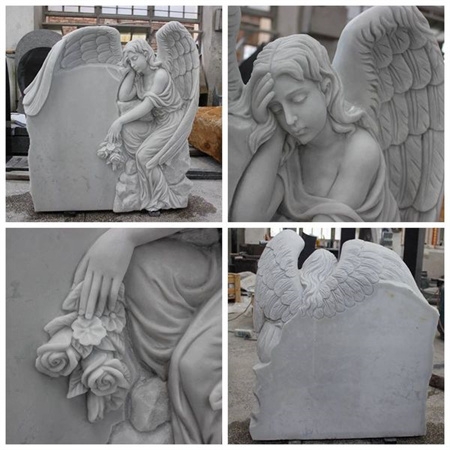
Schedule a live virtual tour with the supplier and include key stakeholders on the call, such as the production manager and quality control supervisor. During the video inspection, verify the flow of production from raw block handling to finished memorials. Observe cutting operations, shaping and profiling by CNC machines, hand-carving stations for bespoke motifs, and finishing areas where honing, polishing, and sealing take place. Pay attention to traceability measures such as slab IDs and order tags, which are essential when managing a customized tombstone or headstone order across international supply chains.
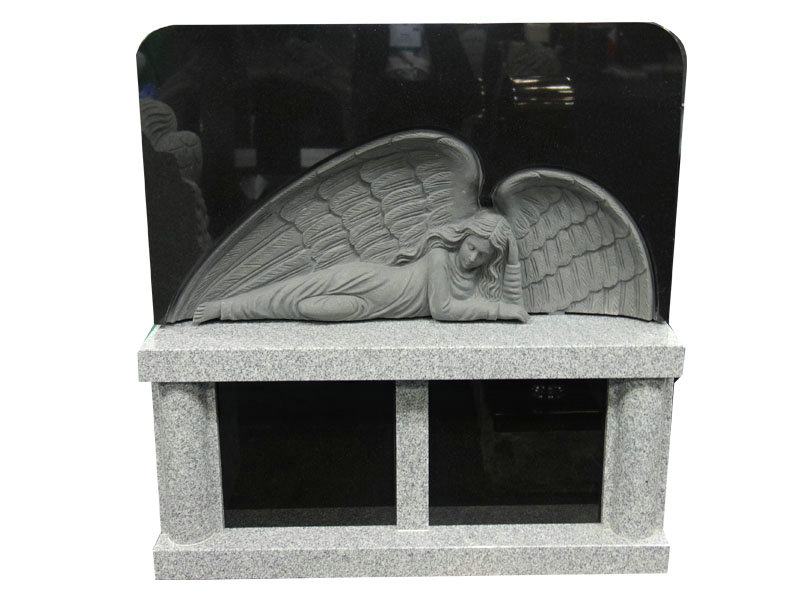
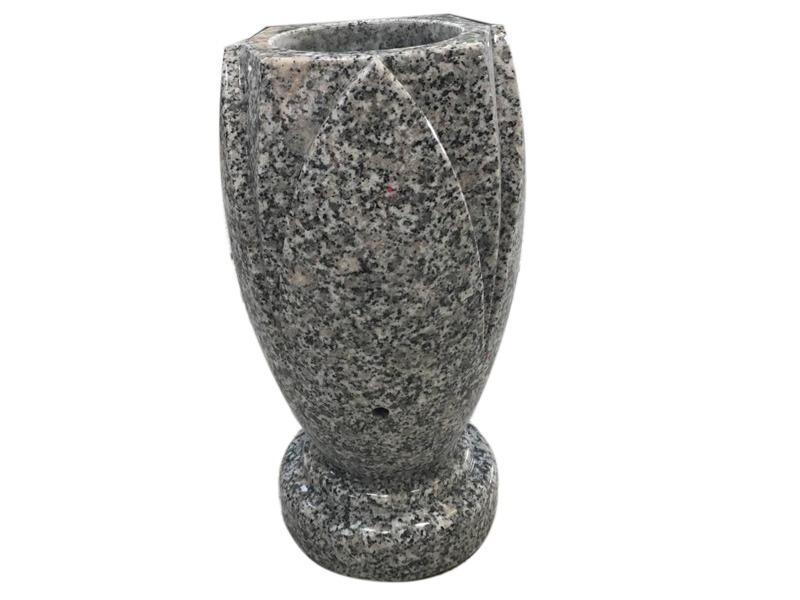
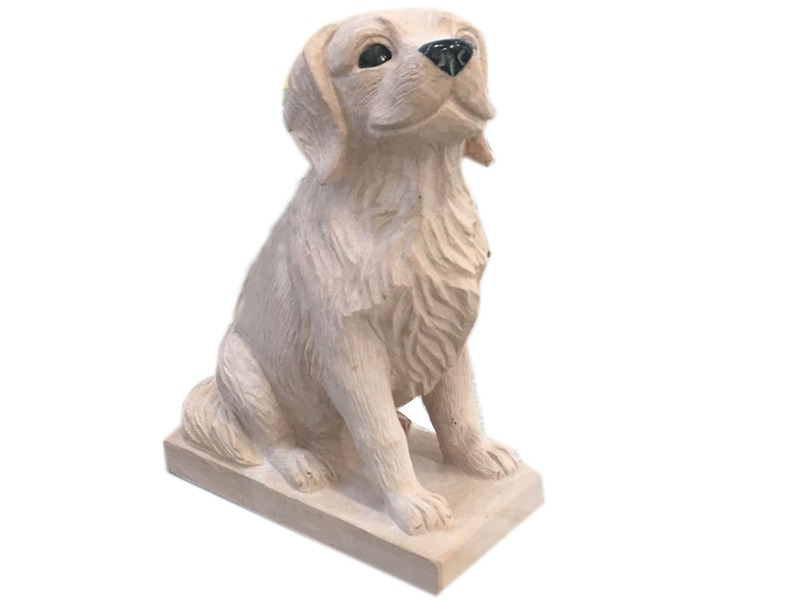
Customization capabilities are central to monument sourcing. Evaluate the supplier’s ability to provide precise inscriptions through sandblasting, laser etching, or hand lettering. Request to see recent examples of custom work, including complex bevels, edge profiles, integrated bronze lettering or vases, and multi-piece memorial assemblies. Confirm the factory’s capacity to handle batch orders with consistent tolerances, as dimensional accuracy affects installation at cemetery sites and impacts overall customer satisfaction.
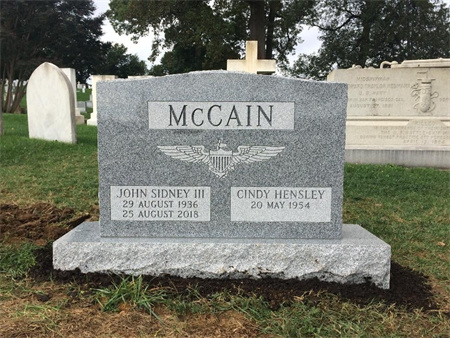
Quality control procedures should be reviewed in detail. Ask for the factory’s quality plan, incoming material inspection records, in-process inspection checkpoints, and final inspection protocols. Typical checks include measurement tolerances, surface finish ratings, color matching across slabs, and adhesion tests for applied coatings or metal attachments. If required by the importer’s market, request laboratory test results for water absorption and compressive strength. Establish a clear pre-shipment inspection process and consider appointing a local third-party inspector for on-site verification prior to container loading.
International shipping considerations must be addressed early. Verify packaging standards for fragile stone products, such as plywood crating, internal bracing, anti-moisture packaging, and secure palletization. Request photos or live footage of previous container loading, and confirm the supplier’s familiarity with export documentation including commercial invoices, packing lists, certificates of origin, and customs paperwork for FOB or CIF transactions. Discuss typical lead times, container utilization, freight consolidation options, and insurance responsibilities under the chosen Incoterms.
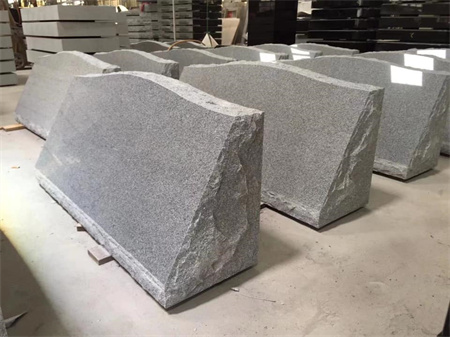
Conclude remote audits by clarifying communication protocols for order confirmations, sample approvals, and production updates. Request a timeline for corrective actions if any non-conformities were identified during the virtual tour, and set milestones for follow-up verifications or sample shipments. A remote audit cannot fully replace an on-site visit, but when conducted methodically it provides importers with a reliable assessment of manufacturing practices, material quality, customization capabilities, quality control systems, and readiness for international shipping.
 Chaole industrial district ,Chongwu town,Huian,Fujian,362131,China


If you want to know more about our products designs
and get the best quotation, please don't hesitate to send a subscription
email,thank you!
Copyright © Huian Boda Stone Co.,Ltd All rights reserved.

ipv6 network supported


