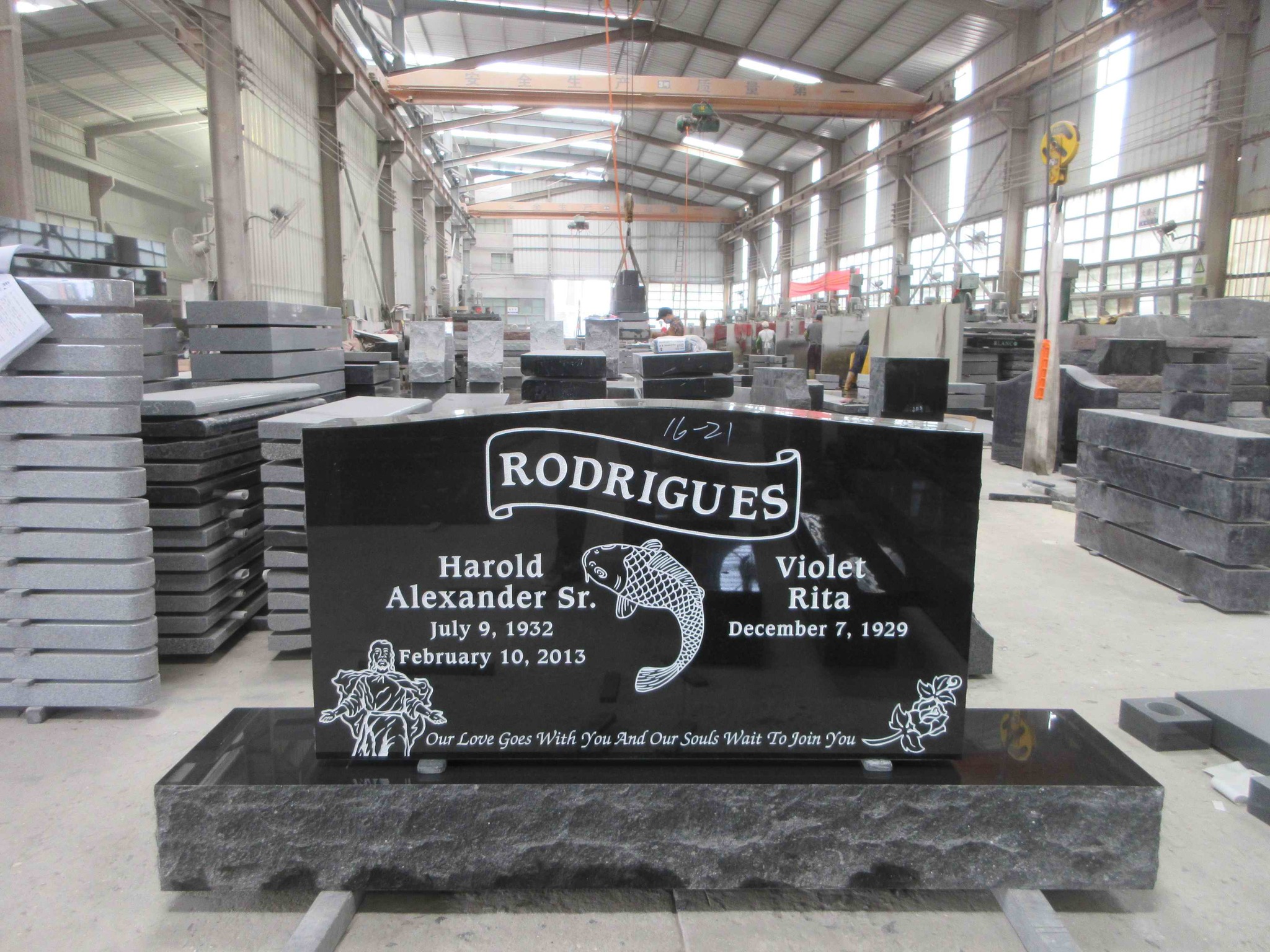
Before shipping, check the stone, sizes, finish, lettering, fit and packing against what you approved. Ask for clear photos and the measurements that matter for your designs, marked with the item or order number. Resolve any differences before the pieces are packed and released.
What should you check before shipment?
If a shipment arrives damaged, preserve the packaging and transport records, photograph the condition before moving it when safe, and follow the carrier, broker and insurer claim procedure. A final photograph alone is not a substitute for agreed inspection photos and measurements.
Agree on quality checks before production
Before production, gather the latest drawing, product list, stone sample, finish details, artwork and packing instructions in one place. Include any cemetery size limits. Mark the drawing version and agree who can approve changes.
Not every dimension needs the same tolerance or evidence. Identify the features that affect cemetery acceptance, assembly, appearance or installation and require those checks explicitly. The factory can then plan inspections around the risks of the actual product.
Six checks for your monument order
1. Check the order and latest drawing
Confirm that production uses the approved revision and that the component list matches the purchase order. Check units, finished sizes, profiles, finish symbols, holes, dowels, panel positions, accessories and customer marks. Superseded drawings should be removed from the working file.
2. Granite and raw material approval
Check the granite identity used on the order, the agreed origin where relevant, color range, veining, mineral marks, cracks, fills and visible natural features. Use the retained sample or lot photographs defined by the purchase order. Do not judge a polished black stone from one compressed phone image.
3. Cutting, geometry and joints
Measure overall and component dimensions, thickness, base margins, top profile, squareness, flatness where required, hole locations and mating surfaces. Complex monument sets should be checked as components and as an assembly. Record measurements against the drawing reference.
4. Surface finish and edge workmanship
Inspect polished, honed, steeled, sawn, sandblasted and rock-pitched areas according to the finish map. Look for inconsistent gloss, scratches, chips, bruised edges, tool marks, visible repairs and contamination. Use broad and raking light because different defects appear under different angles.
5. Decoration, fit and completeness
Compare carving, etching, panel shape, accessory recesses, bronze holes and vase positions with the approved artwork and drawing. Confirm that all components are present and correctly paired. Where the set has close-fitting joints or multiple tiers, perform an agreed fit or dry-assembly check.
6. Final identification and packing
Before crating, reconcile quantity, marks, component pairs and the packing list. Photograph the finished item, protective separation, edge protection, internal restraint, closed crate mark and loading position as required. The evidence should let the importer trace a received crate back to the approved item.
Photos and measurements you can ask for
| Checkpoint | Useful evidence | Buyer decision |
|---|---|---|
| Material | Lot or slab images beside order identification and approved reference | Accept, request another selection or clarify variation |
| Dimensions | Measurement photographs or inspection record tied to drawing callouts | Accept or require correction before finishing |
| Finish | Neutral-light overview plus close views of faces and edges | Accept, rework or document a permissible natural feature |
| Assembly | Component layout, joint views or dry-assembly photographs | Confirm fit and completeness |
| Packing | Open-crate, closed-crate, label and loading photographs | Release packing or correct protection and marks |
Sort out any differences before shipping
If the inspection finds a difference, describe it with the item number, drawing callout, measured condition and clear photographs. The supplier should propose rework, replacement or documented acceptance. Verbal approval in a chat thread is easy to lose; keep the final decision with the order record.
A useful quality system does not hide every natural stone characteristic. It distinguishes approved natural variation from a defect, and it gives both parties a repeatable method to decide.
Your final checks before shipment
- Correct drawing revision and purchase-order quantity.
- Approved granite identity and appearance range.
- Critical dimensions and interfaces recorded.
- Visible finishes, edges and decoration checked.
- Components paired and fit confirmed where required.
- Deviation decisions closed in writing.
- Packing evidence and crate marks reconciled to the packing list.
For the factory-side sequence used by Boda Stone, see our quality control process. Importers can use the checklist on this page to define their own order-specific acceptance plan.
Send your inspection requirements
Quality checks should follow the approved drawing and the buyer's receiving risk. Ask for a written inspection scope before production starts.
- Buyer role, destination country and port, product models, approved drawing revision, and critical dimensions or tolerances.
- Stone, current-batch or sample reference, finish, lettering/artwork, component fit, and acceptable repair or rejection criteria.
- Inspection timing, photo/video records, pre-shipment approval, crate marks, packing evidence, and the documents needed for a damage claim.
References and editorial update
- USDA APHIS — Wood Packaging Material: official U.S. requirements relevant to regulated solid wood packaging.
- Natural Stone Institute — Testing Services: material testing is separate from a visual finish check.
- Boda Stone — Rodrigues project record: company-supplied workshop and project evidence, not independent certification.
By the Boda Stone Technical Team. First published July 29, 2026; editorial update October 5, 2026. The blank form is a planning aid, not a completed inspection report. Verify current destination, carrier and cemetery requirements for each order.