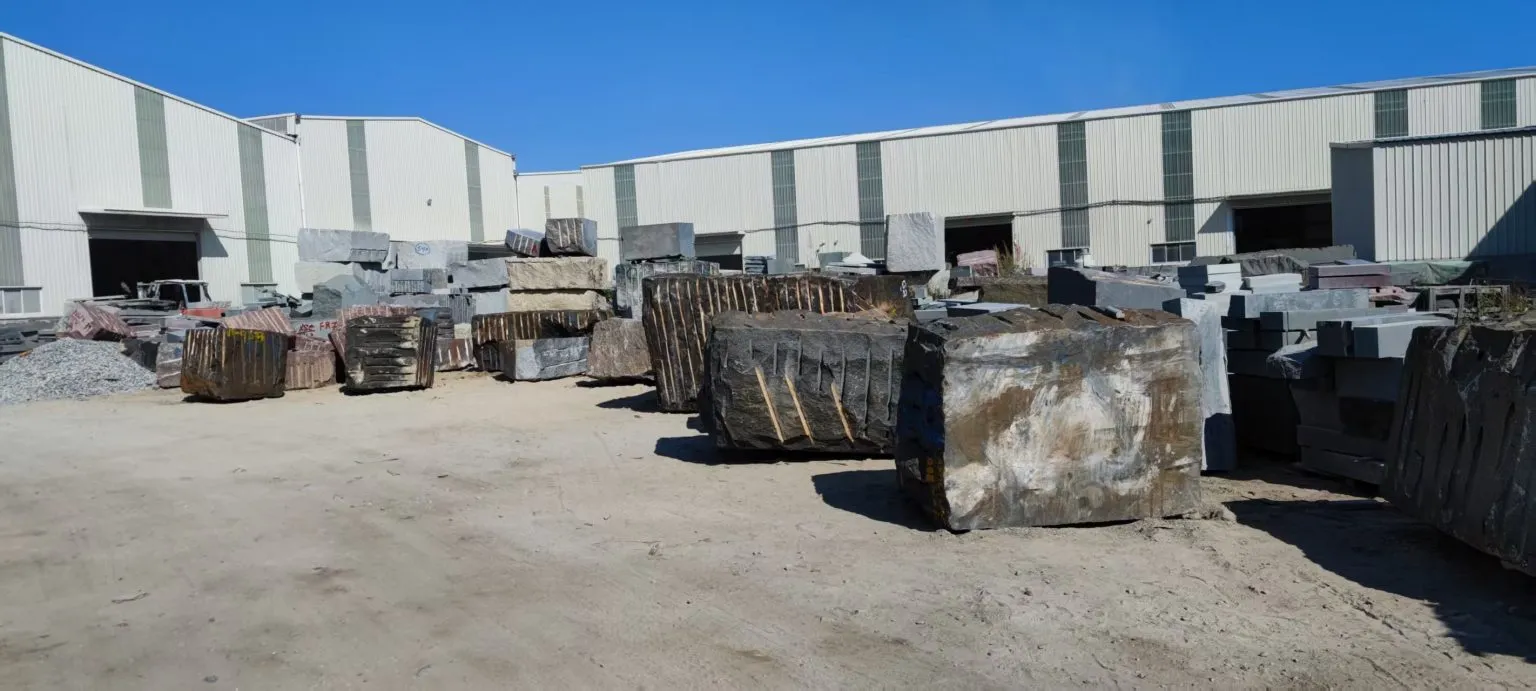
Choose a supplier who understands your models and can explain the stone, finish, packing and order process clearly. Start with a few designs you buy regularly. Agree who will handle your drawings, answer questions and resolve problems. Check the company and payment details before placing an order.
For an importer, wholesaler or monument workshop, the aim is a repeatable result: the right pieces, made to the approved drawing, packed for the journey and ready for the work you plan to do locally.
Five things to discuss before choosing
- Your product range. Show the supplier the upright headstones, full grave sets, flat markers or carved pieces you need. Ask for relevant examples and discuss any difficult details.
- The granite and finish. Agree on a stone sample or current material reference. Mark which faces are polished, honed or textured. For repeat orders, ask how a new batch will be matched.
- The drawings. Check component sizes, units, holes, base fit, lettering and carving. A photo helps explain the design, but the approved drawing sets out what will be made.
- Quality checks. Agree which dimensions, surfaces and joints need checking. For complex pieces, discuss a first-piece check or trial assembly before the rest of the order is finished.
- Packing and delivery. Discuss crate protection, matching-part labels, shipping arrangements and the costs included in the quote.
What should you send with the first inquiry?
You do not need a finished purchasing dossier to start a conversation. Send a drawing, sketch or product photo and add the details you already know:
- Model or reference number and component sizes, with inches or millimetres clearly marked.
- Granite choice, finish and any lettering or carving.
- Quantity for each model and whether this is a one-off or repeat order.
- Destination country and port, preferred shipping terms and when you need the goods.
- Any cemetery size limits or installation details that affect the stonework.
If something is still undecided, say so. It is better to clarify it together than to receive a price based on the wrong assumption.
Factory or trading company: what matters for your order?
A factory can let you discuss drawings and production directly with the team making the stonework. A trading company may coordinate work across suppliers. Either way, ask who will make the pieces, who is your day-to-day contact and who will resolve a problem.
A company name, catalogue or website photo does not answer all of those questions. Relevant product examples and a clear discussion of your order are more useful. If you would like to see the workshop, arrange a visit or video call at a suitable time.
Check the quote before placing the order
Make sure the quote covers the same components, granite, finishes, decoration, packing and delivery services you discussed. Check the company details, payment schedule and what needs your approval before cutting begins.
Confirm payment instructions through your agreed business contact. If bank details change, verify them through a contact method you already know before sending money.
Make the first order easy to follow
For the first shipment, choose a manageable range of models and keep the drawings, material references and order list together. The practical order quantity depends on the pieces, stone, processing and shipment; ask for it in the quote rather than assuming a fixed minimum.
Agree when you will receive progress photos, measurements and packing details. Decide how changes, missing pieces or damage will be reported. Clear order and crate numbers help both teams identify the right part quickly.
Confirm the requirements at your destination
Your local cemetery or installer confirms the permitted sizes, foundation and fixing requirements. Share those requirements before approving the drawing. The factory makes the agreed stone components; it cannot approve a monument on behalf of a cemetery.
Also confirm customs, unloading and local delivery with your broker or forwarder. For a mixed order, the shipping plan depends on the actual crate sizes, weight and route. Ask what is included before comparing total prices.
A short checklist before you say yes
- The supplier understands your models and can answer practical production questions.
- You have agreed on the drawing, granite, finish and quantities.
- The quote clearly lists packing, delivery and payment terms.
- You know what will be checked before shipment and whom to contact if something needs attention.
Frequently Asked Questions
Does a business registration prove factory capability?
No. It helps identify the legal entity. Verify the production location, relevant operations, order controls and responsibility separately.
Is a workshop video enough to approve a supplier?
No. Ask whether the work shown is current and relevant, then review your drawing, material sample, inspection plan and commercial documents.
What if the contract party and payment beneficiary differ?
Pause payment and obtain a documented explanation verified through an established contact. Resolve the discrepancy with the responsible finance or banking adviser before transferring funds.
Sources and further reading
- SAMR — Enterprise information disclosure and search: Official explanation of the national enterprise registry; a registry entry is not a factory capability inspection.
- U.S. International Trade Administration — Due Diligence: General partner-review guidance, not a finding about a named supplier.
- FBI — Business Email Compromise: Independent verification of payment requests and account changes.
Updated October 5, 2026. Check the current requirements for your destination and order.
A workshop example
See the drawings and workshop photos from our Rodrigues order. This is a company project example; the requirements for your order are agreed separately.